

How to Plan Prelude Music for Sacrament Meeting
The fifteen minutes before sacrament meeting are some of the most important minutes I play all week, and almost nobody notices them. That's how it should be. Good prelude music doesn't ask for attention. It quietly turns a chapel full of families, folding chairs, and last-minute hallway conversations into a place where people are ready to worship.
The General Handbook puts it simply: prelude music is played as members gather, and its purpose is to create an atmosphere of worship that invites the Spirit. Hymns, worshipful children's songs, and other sacred music are all appropriate choices. That leaves a lot of room, and over the years I've found that a little planning makes the difference between prelude that fills time and prelude that actually prepares hearts for the sacrament.
Choosing Prelude Music That Points Toward the Sacrament
I start with the meeting itself. Before I pick a single piece, I look at the hymns the music coordinator has chosen and, if I can find out, the topic the speakers have been asked to address. If the sacrament hymn is about the Savior's sacrifice, I want my prelude to be heading in that direction by the time the bishopric walks up to the stand.
My usual approach is to think of the prelude as a slow arc. The first few minutes can be warmer and more familiar, music that welcomes people in as they find their seats. As the meeting gets closer, I move toward quieter, more contemplative hymns, often ones centered on Christ, the Atonement, or the sacrament. By the last selection, I want the room to feel settled.
Familiar hymns do a lot of the work for you. When someone hears the opening phrase of a hymn they have sung since Primary, the words often come to mind on their own, and the music starts teaching before anyone speaks. Children's songs work beautifully too, especially in a ward full of young families. A simple, unhurried setting of a Primary song can soften a room faster than almost anything else I know.
Registration and Volume for a Reverent Chapel
The handbook doesn't say anything about volume, but experience does. Prelude should sit underneath the room, not on top of it. I aim for a level where people can still whisper to the person beside them without straining, yet the music is clearly present.
On most meetinghouse organs, that means building on soft 8' flutes and strings rather than reaching for the bolder principals. A gentle flute on one manual with a quiet string or a soft celeste on another gives you enough color to bring out a melody without ever sounding loud. I keep the pedal light, often just a soft 16' stop with a manual coupled to the pedal, and I leave the louder reeds and the mixtures for the hymns and the postlude. If you want a deeper look at how different stops behave in a full chapel, I walk through the families of stops in my organ registration guide for congregational singing.
One small habit that has helped me a great deal: I set my prelude registration on a general piston and my opening-hymn registration on the next one. When the prelude ends, a single press puts the louder sound in place, and I'm not fumbling with stops while the conducting member of the bishopric stands to welcome everyone.
Timing the Transition Into the Opening Hymn
The hardest moment in prelude is the end. You never know exactly when the meeting will start, so I plan to finish a piece at a natural cadence rather than stopping mid-phrase. I keep one or two short, easy hymns at the back of my stack that I can play through in under a minute, or cut down to a single verse if the bishopric is ready early.
When I see the bishopric member stand, I bring the piece to a gentle close and let a moment of silence settle before the announcements. That silence matters. It tells the congregation that the gathering time is over and worship has begun. From there, the opening hymn needs a clear, confident introduction, and I've shared how I approach that in how to play a hymn introduction the congregation can follow.
I also like to keep my prelude binder organized by mood rather than by hymn number. One section holds the welcoming, familiar pieces, another holds the quieter sacrament-centered ones, and a third holds the short closers. On a hectic Sunday morning, when a talk changes or the meeting starts late, I can adjust in seconds without flipping through the whole hymnbook.
Prelude is a quiet assignment within a quiet calling, but I've come to treat it as a kind of offering. Most Sundays no one will thank you for it, and that's all right. The Lord knows the effort, and the people in the pews feel it even when they couldn't tell you why the room felt peaceful.
If you'd like fresh material for your prelude binder, take a look at my organ sheet music arrangements for worship. Many of them were written with exactly these fifteen minutes in mind.

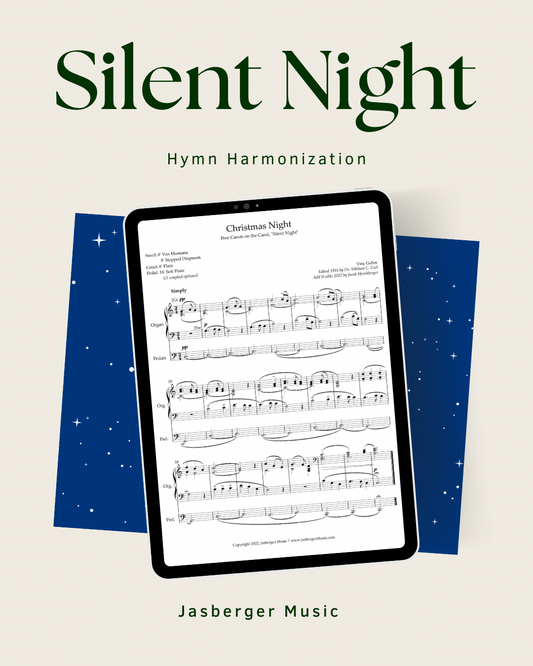
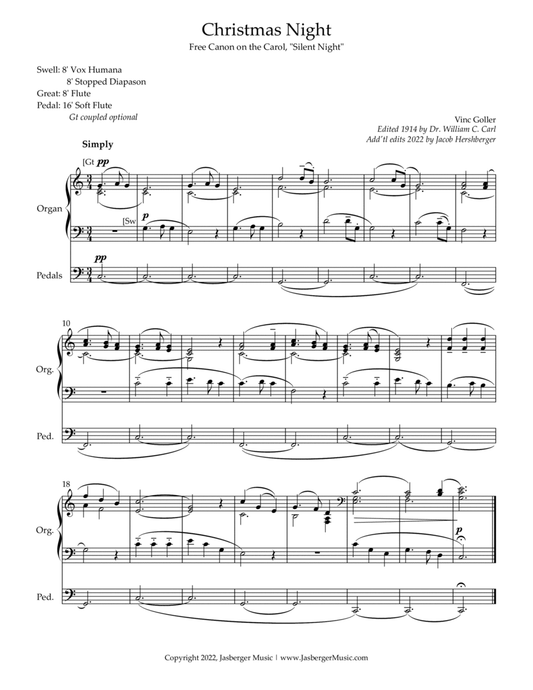
Silent Night Free Canon - Organ Sheet Music
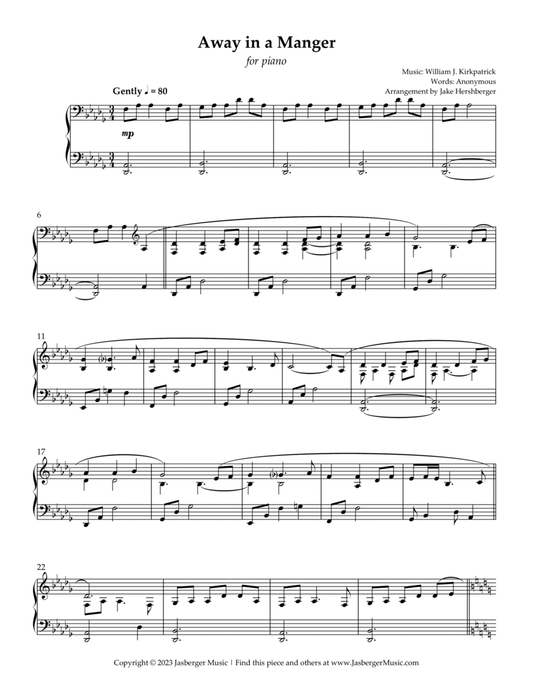
Away in a Manger Intermediate Piano Solo
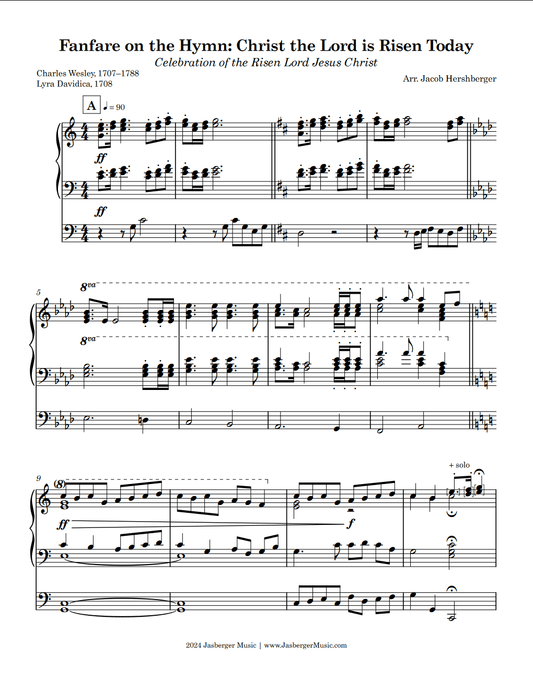
Christ the Lord is Risen Today – Easter Organ Fanfare
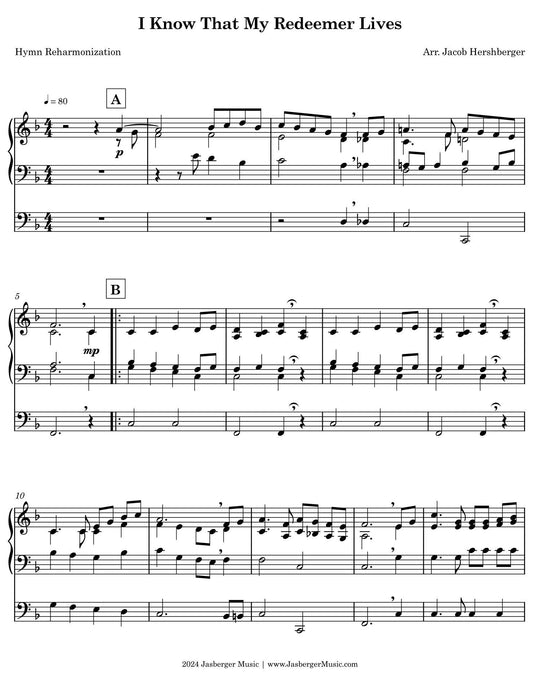

I Know That My Redeemer Lives – Organ Reharmonization
View Comments
Leave a Comment
No comments

How to Sight-Read a Hymn on Short Notice

I Need Thee Every Hour: A Piano and Organ Duet for Church



comments