

How to Play a Hymn Introduction the Congregation Can Follow
The introduction is the shortest thing you'll play all meeting, and it decides the most. Four or five measures either gather a chapel full of people into the same tempo and the same breath, or they leave everyone guessing — and you spend the whole first verse hauling the congregation back to where you meant to be.
I have played a lot of hymn introductions badly. Most of my mistakes came from treating those measures as a formality, something to get through before the real playing started. They aren't. The introduction is where you tell the congregation everything they need to know before they open their mouths: how fast, how loud, how heavy, and exactly when to come in.
How long should a hymn introduction be?
Open the hymnbook and you'll see brackets printed over the staff on nearly every hymn. Those mark a suggested introduction — usually the last phrase, sometimes more. They're a good default, and the Church's own guidance in "Using the Hymnbook" treats them exactly that way: a suggestion, which you are free to shorten or lengthen.
What should decide it is how well your ward knows the hymn. If it's something everyone has sung since Primary, the last phrase is plenty; they'll be with you. If it's a hymn your ward rarely sings, or one of the new hymns the Church has been releasing in batches, play it all the way through. That feels long from the bench. It does not feel long out in the pews, where people are reading a melody they have never seen and quietly hoping someone will show them how it goes.
One practical habit has saved me more than once: scan the hymn before you start and find where the bracketed introduction actually ends. It is not always the last measure of the hymn. On some hymns the bracket closes partway through, and if you're on autopilot you'll sail straight past it into a verse nobody is singing. I mark mine with a highlighter. No one has ever noticed, and I haven't made that particular mistake since.
The introduction is a promise about tempo
Whatever tempo you play the introduction, that is the tempo you are going to get. This is the hardest part to accept, because reverence tempts us to slow down. The sacrament hymn is where it bites hardest — it feels right to play the introduction gently and broadly, so the congregation comes in gently and broadly, and by the third verse the hymn has sagged into something heavy and airless that nobody can carry to the end of a phrase on one breath.
Play the introduction at the tempo you actually intend to sing. If you want a reverent hymn, get the reverence from your registration and your touch rather than from dragging — softer stops, a gentler attack, a little more air at the ends of phrases. That is a question of registration — which stops you pull, not a question of speed.
There is one useful exception. When you play a short introduction — just the closing phrase — it can end so abruptly that people aren't certain it's over. Easing the tempo slightly through the last measure or two fixes it, and the hymnbook guidance suggests the same thing. It's a small, unmistakable signal: that was the introduction; here we go.
Leave a beat of silence before the first verse
Don't run the introduction straight into the first verse. Finish it, lift your hands, and leave a real beat of silence — one full beat in tempo, or whatever completes the measure if the hymn starts on a pickup. What matters is that it is the same length every single week. That silence isn't dead air or a gap you failed to fill. It is the congregation's cue to breathe in together, and a congregation that breathes together starts together.
Keep your eyes up through that beat. The chorister's preparatory motion and your silence should agree, and when they do, the downbeat takes care of itself. The real gift you give a ward is predictability: when the organist's breath is the same length every Sunday, people stop bracing for the entrance and simply sing.
The mercy of all this is that none of it costs you practice time. It's decided before you play a note — how much to play, how fast to play it, and how long a breath to leave. Get those three right and the congregation will do the rest. They want to sing well. Mostly they are just waiting to be told how.
If you're building out your Sunday repertoire — preludes, hymn settings, or something for the organ that won't take a month to learn — you can browse the organ sheet music catalog.

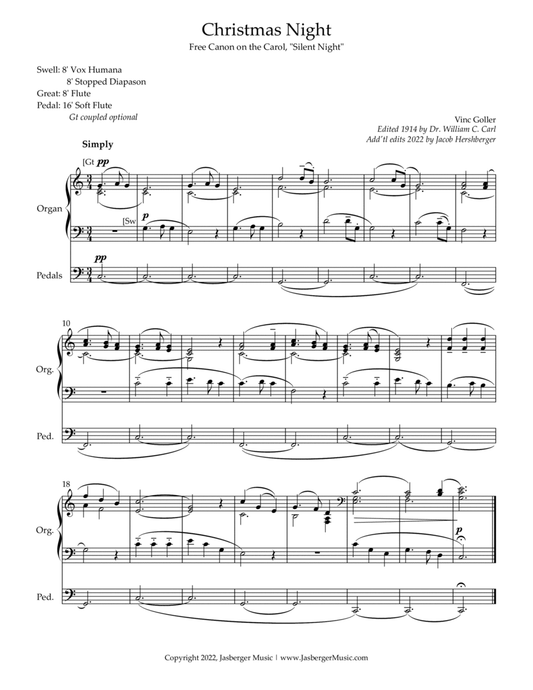
Silent Night Free Canon - Organ Sheet Music
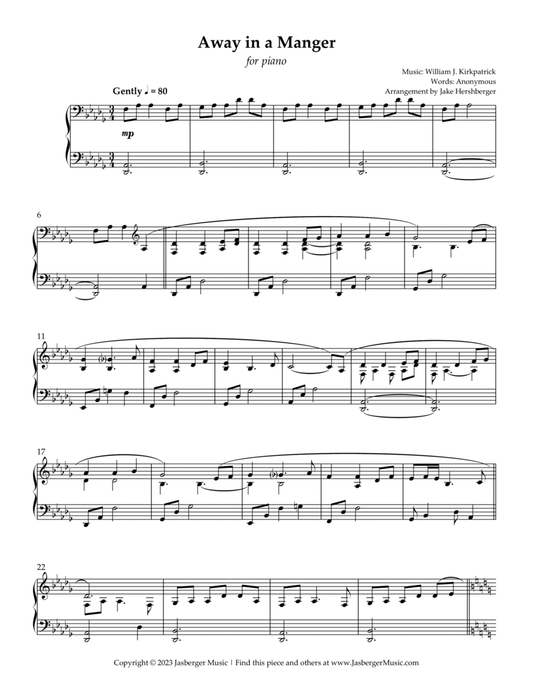
Away in a Manger Intermediate Piano Solo
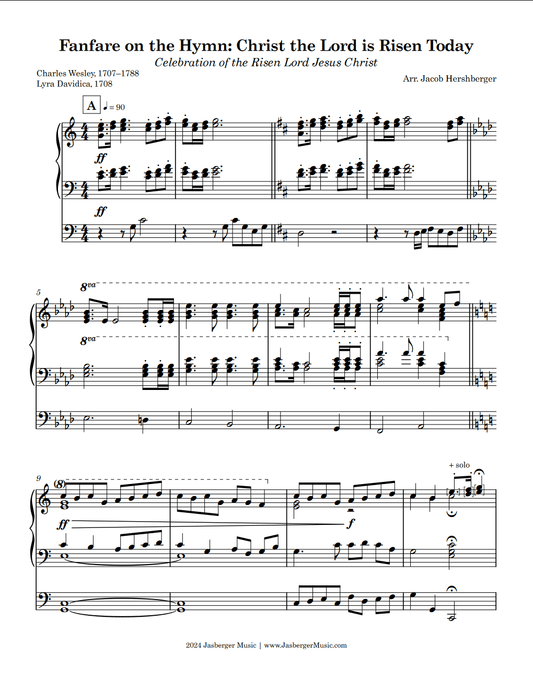
Christ the Lord is Risen Today – Easter Organ Fanfare
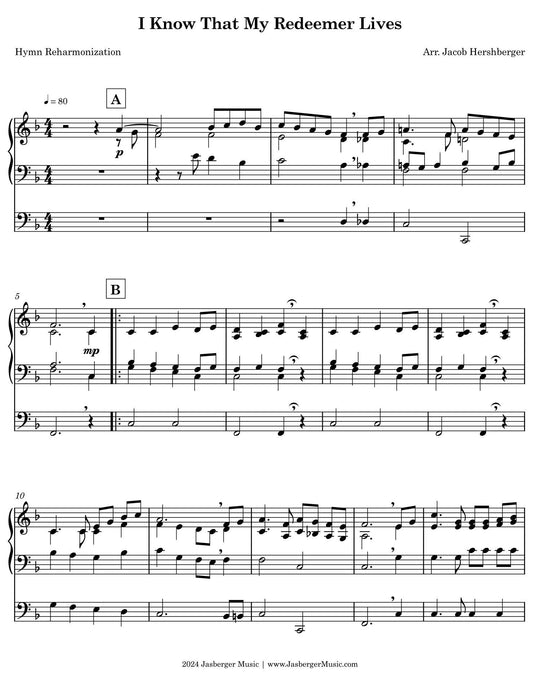

I Know That My Redeemer Lives – Organ Reharmonization
View Comments
Leave a Comment
No comments

How to Practice the Organ When All You Have Is a Piano

Which Stops Help the Congregation Sing? An Organ Registration Guide


comments