

Learning a New Piece Before Sunday: A Practice Plan That Actually Sticks
Most of us don't get a month with a new piece. We get a week — and sometimes it's a Tuesday-night realization that Sunday is coming and the prelude isn't going to learn itself. I've played enough sacrament meetings to know that panic-practicing on Saturday night rarely produces something I'm proud of on Sunday morning. The good news is that a new hymn arrangement is far more learnable than it looks, as long as you spend your practice time on the right things in the right order.
Here's the approach I come back to, whether I'm sitting at the organ in an empty chapel on a weeknight or working through a new piano arrangement at the kitchen upright.
Read it through before you try to play it
Before my hands touch the keys, I read the piece like a map. What key are we in, and where does it change? Where is the climax — the moment the arranger has been building toward? Are there places where the hymn tune slips into the tenor or down into the pedal, so I know to bring it out instead of burying it? Two minutes of looking at sacred music this way saves twenty minutes of confused practice later, because now I know what the piece is trying to say before I ask my fingers to say it.
Then I take a slow first pass — slower than feels dignified. I'm not making music yet; I'm gathering information. Where do my fingers want to stumble? Which accidentals keep surprising me? I pencil in the fingering I'll actually use, and then I actually use it, because changing fingerings on Sunday is how good preparation quietly falls apart. Sight-reading well isn't a gift you either have or you don't; it's mostly the habit of keeping your eyes moving forward and refusing to stop and fix every wrong note. Keep going. You can clean it up on the next pass.
Practice the hard measures, not the whole piece
The most common practice mistake I see — and one I've made plenty of times — is starting at measure one every single time. Do that all week and by Sunday you can play the first page beautifully and the last page not at all. So after that first read, I hunt down the three or four measures that are genuinely hard, and I practice those, hands separate, slowly, until they're boring. An awkward pedal passage on the organ, a left-hand stretch in a piano arrangement, a page turn that lands in a terrible spot — those are the places that will trip you in front of the congregation, and they are exactly where ten focused minutes are worth the most.
When the hard spots are solid, I put the piece back together at a tempo where I never have to stop. Slow and unbroken beats fast and stumbling every time, especially for service music, where flow matters far more than flash. A hymn played simply and steadily will carry a room better than a showy arrangement held together with hope.
Get it ready for the room, not just the practice bench
A piece that works alone at nine at night can fall apart in a chapel full of people, so the last stage of my preparation is rehearsing the conditions, not only the notes. On the organ that means settling my registration early — a warm eight-foot foundation for a reflective prelude, something a little fuller if it leads into a congregational hymn — and writing it down so I'm not guessing on Sunday. I practice the first four measures and the last four more than any others, because beginnings and endings are what people actually remember, and a calm entrance settles the player and the congregation at the same time.
I also run the whole piece once without stopping, no matter what, the way I'll have to play it live. If I drop a note, I keep going — because I will drop a note, and the skill that matters most in worship isn't perfection, it's recovering gracefully and keeping the spirit of the music intact. The music in our meetings is there to invite reverence and turn hearts toward the Savior, and a wrong note has never once undone that. A flustered, apologetic organist occasionally can.
None of this asks for a music degree or hours you don't have. It only asks that you spend your limited practice time on purpose. Give a new piece a careful read, conquer its few hard measures, and rehearse the way you'll actually play it on Sunday, and you'll walk into the meeting prepared instead of panicked — which is a far better frame of mind for making music that matters.
If you're looking for organ and piano arrangements worth preparing — sacred music written to be played in real meetings by real ward musicians — browse the Jasberger Music catalog at jasbergermusic.com.


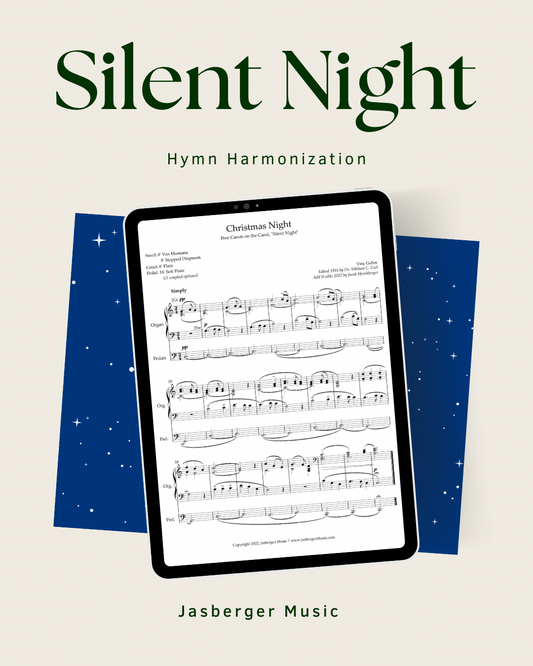
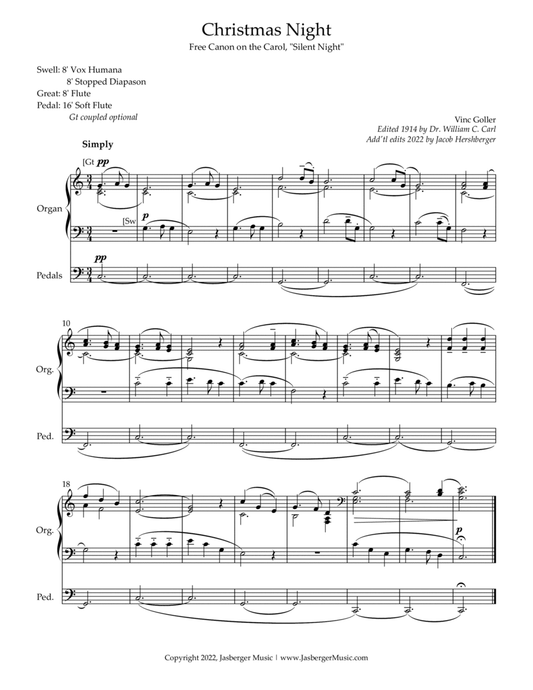
Silent Night Free Canon - Organ Sheet Music
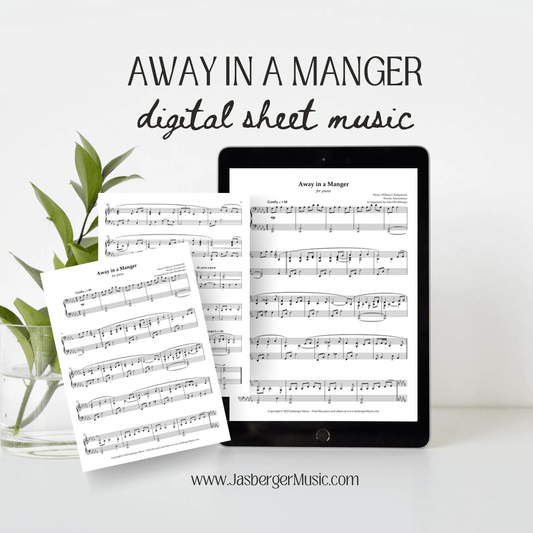
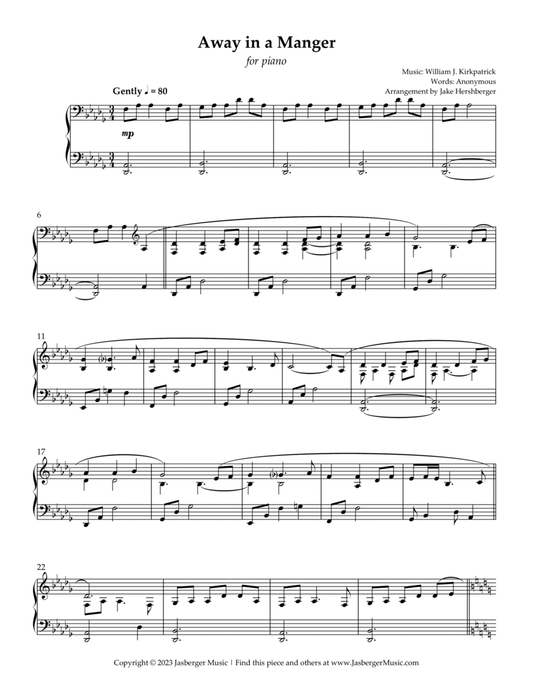
Away in a Manger Intermediate Piano Solo
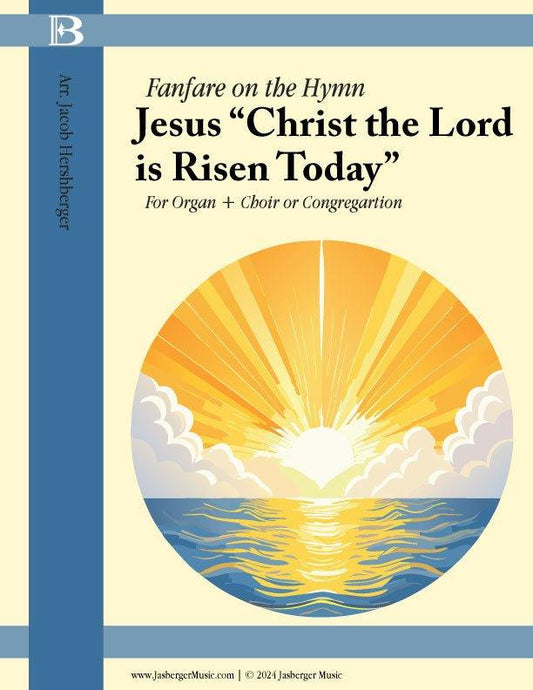
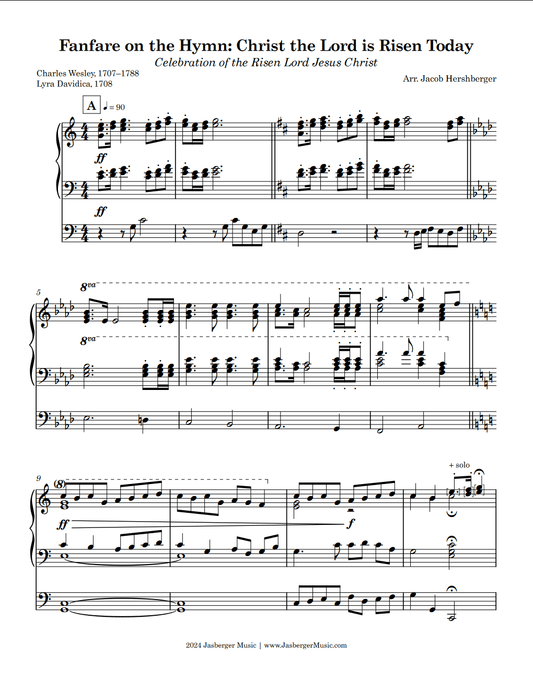
Christ the Lord is Risen Today – Easter Organ Fanfare
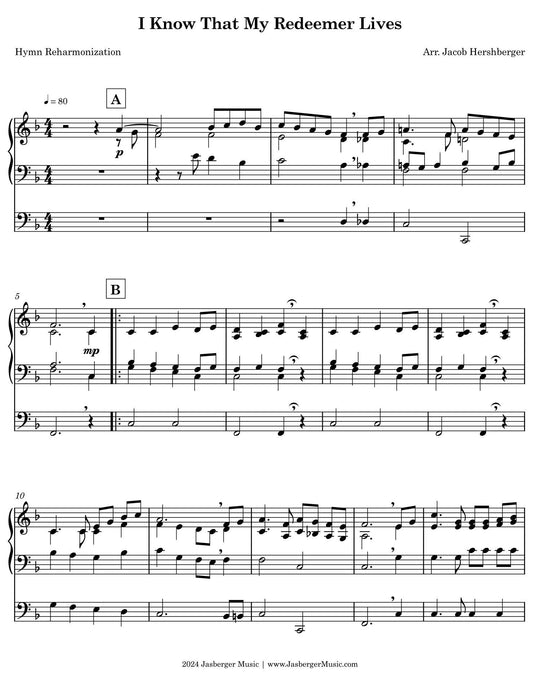

I Know That My Redeemer Lives – Organ Reharmonization
View Comments
Leave a Comment
No comments

How to Plan Prelude Music for Sacrament Meeting

How to Sight-Read a Hymn on Short Notice



comments