

All Is Well: The Story Behind “Come, Come, Ye Saints”
The most beloved pioneer anthem in the Latter-day Saint hymnbook wasn’t written on a triumphant Sunday or inside a finished chapel. It was scratched out in a muddy camp on the Iowa plains by a man who had just learned, from more than a hundred miles away, that his wife had safely given birth to their son.
That man was William Clayton, and the date was April 15, 1846. The Saints were strung out across Iowa in the cold, mud-bound weeks of the exodus from Nauvoo, and Clayton had left his wife Diantha behind — she was ill and expecting a child. Like everyone else in those camps, he was tired, uncertain, and a long way from anything that felt like home. When word finally reached him that Diantha had delivered a healthy boy, his relief poured out as music. “This morning I composed a new song,” he wrote in his journal that day. He called it “All Is Well.”
A Hymn Born on the Trail
What strikes me most about that origin is how private it was. We sing “Come, Come, Ye Saints” as a great collective statement — hundreds of voices, full organ, the anthem of a whole people on the move. But it began as one man’s overflowing gratitude and worry, set to a melody he already carried in his head. Clayton borrowed a popular English folk tune, also called “All Is Well,” and that pairing of new words with a familiar tune is part of why the hymn spread so quickly. The pioneers didn’t have to learn anything. They opened their mouths and the song was already in them.
By the time the Saints reached the Salt Lake Valley, it had become something like a traveling sermon — sung around campfires, sung over graves, sung on the hardest days of the journey. It has been called the “Marseillaise of the Latter-day Saints,” the hymn that carried a people across a continent. Not bad for a song dashed off in a wet tent in Iowa.
Why “All Is Well” Is Harder to Sing Than It Sounds
Here’s the thing it took me years to notice: the hymn never pretends the journey is easy. Read the text slowly and you find it admits the hardship right out loud — “Why should we mourn or think our lot is hard?” It asks the honest question first. Only then does it answer: “’Tis not so; all is well.” That refrain isn’t a description of the circumstances. It’s a decision. Clayton wasn’t writing because everything was fine. His wife was sick, his future was a question mark, and the road ahead was mud and grief. “All is well” is what faith says in spite of the evidence, not because of it.
The fourth verse goes somewhere most hymns never dare to go: “And should we die before our journey’s through — happy day! All is well!” To stand in a congregation and sing those words is to rehearse a quiet kind of courage. I think that’s why the hymn has lasted. It hands people language for the hardest stretches of their own road, and it lets a whole room carry that weight together.
Playing It Like You Mean It
For those of us on the bench, “Come, Come, Ye Saints” rewards restraint before it rewards power. The melody opens by climbing — “Come, come, ye Saints” reaches upward — and if you rush it, you flatten the very gesture that makes the hymn feel like a summons. I like to begin a notch softer than feels comfortable and let the registration grow verse by verse, so the congregation can feel the journey lengthening beneath them.
Then there’s the question of verse four. Some organists pull out every stop for “happy day”; I usually do the opposite, drawing back to something warm and covered so the words land as testimony rather than spectacle. Save your fullest sound for that final “all is well,” and the hymn arrives somewhere instead of simply stopping. However you shape it, give people room to mean what they’re singing — this is one of those hymns folks bring private griefs into, and they’ll thank you for the space.
Pioneer Day brings it back around every July, but “Come, Come, Ye Saints” belongs in sacrament meeting any week a ward needs reminding that the journey is shared and the destination is sure. If a hymn like this one stirs something in you, and you’d like organ and piano arrangements of sacred music that treat the old texts with the same care, I’d love for you to browse the Jasberger Music catalog at jasbergermusic.com — there’s a good deal there for organists and pianists who play for worship, including quiet preludes drawn from the early Restoration hymns the pioneers themselves would have sung.


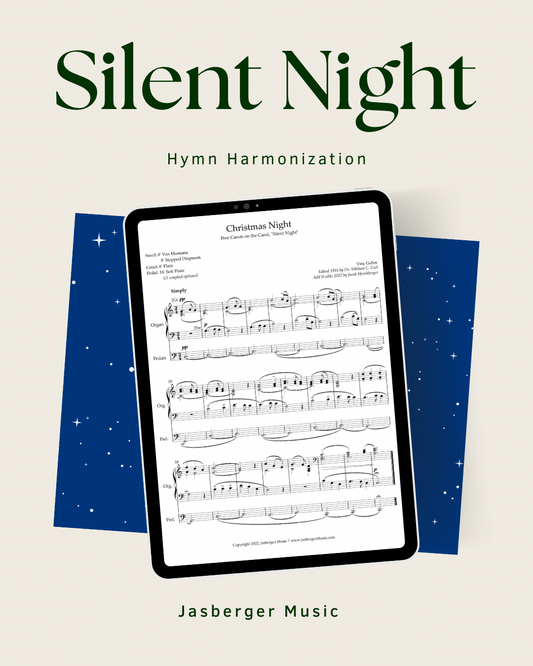
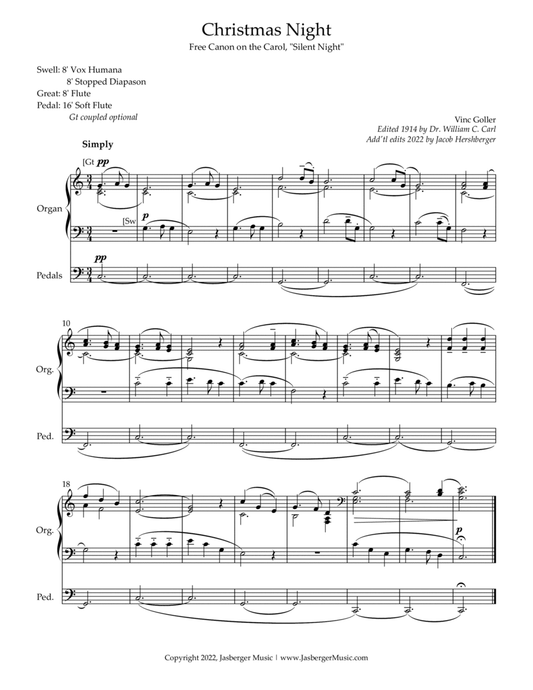
Silent Night Free Canon - Organ Sheet Music
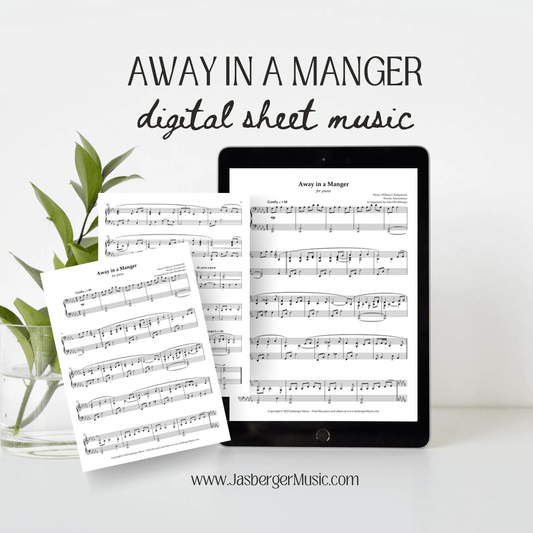
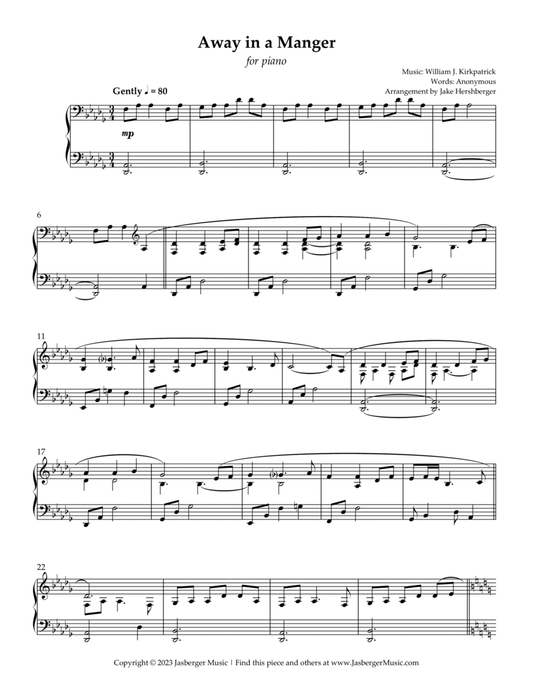
Away in a Manger Intermediate Piano Solo
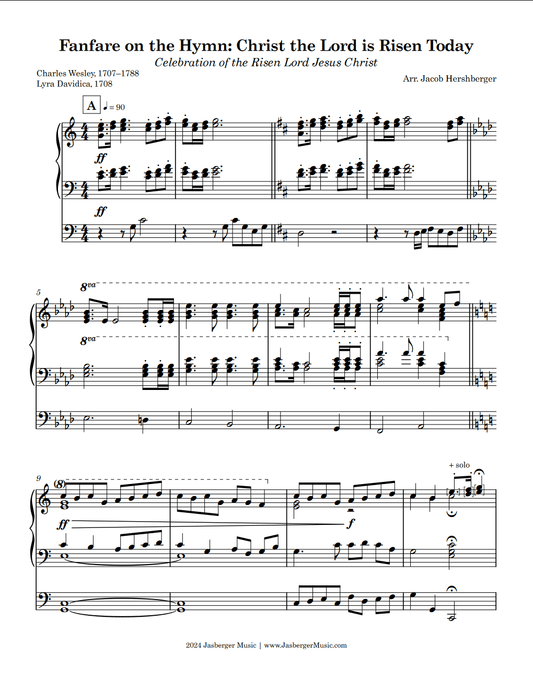
Christ the Lord is Risen Today – Easter Organ Fanfare
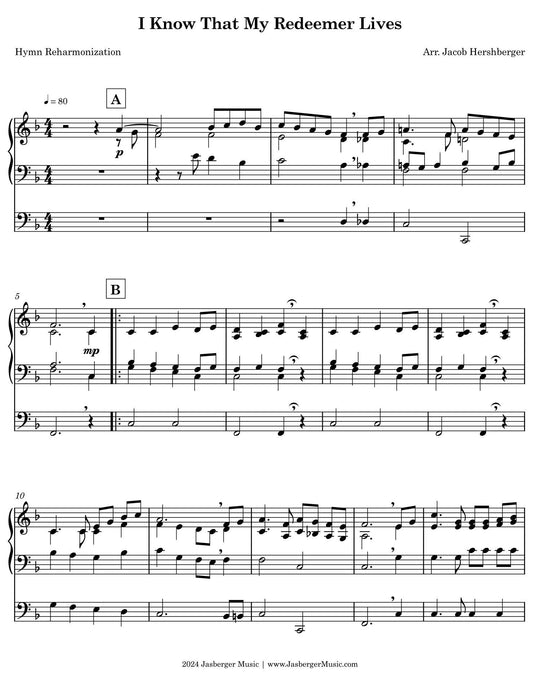

I Know That My Redeemer Lives – Organ Reharmonization
View Comments
Leave a Comment
No comments

How to Plan Prelude Music for Sacrament Meeting

How to Sight-Read a Hymn on Short Notice



comments