

Be Still, My Soul: The Story Behind the Hymn That Steadies Us
There's a moment near the end of Jean Sibelius's Finlandia when the brass stops surging and the orchestra settles into a melody so calm it feels like the whole room finally exhales. If you've ever sung “Be Still, My Soul” in a sacrament meeting, you already know that tune by heart—even if you never knew it began its life as a patriotic tone poem in a country fighting to keep its voice.
It's one of the quiet wonders of our hymnbook: a text written by a German woman in the 1700s, carried into English by a Scottish translator a century later, and finally wedded to the music of a Finnish composer who never set out to write a hymn at all. Three strangers across two hundred years, and somehow the result feels like it was always meant to be sung together on a Sunday morning.
A German Poet, a Scottish Translator, and a Reluctant Finn
The words come from Katharina von Schlegel, who wrote “Stille, mein Wille” around 1752. We know surprisingly little about her, which is its own kind of fitting—this is a hymn about trusting God when the future is unclear, written by someone whose own story has mostly slipped into shadow. Her stanzas belong to the German Pietist tradition, a movement that prized heartfelt, personal devotion over cold formality.
A hundred years later, a Scotswoman named Jane Borthwick translated the text for a collection titled Hymns from the Land of Luther. Borthwick had a gift for carrying the warmth of German devotional poetry into singable English, and her rendering—“Be still, my soul: the Lord is on thy side”—is the one we still sing.
The tune came last, and almost by accident. Sibelius composed Finlandia in 1899 as an act of quiet defiance, a musical protest against Russian censorship of the Finnish press. Years later, the serene hymn-like passage near its close was lifted out, slowed down, and set to von Schlegel's words. A melody born of national longing became a vessel for personal peace.
Theology You Can Lean On
What makes “Be Still, My Soul” endure isn't its backstory, though—it's that the words tell the truth about hard things. The opening line echoes Psalm 46:10, “Be still, and know that I am God,” but notice the hymn doesn't ask you to feel peaceful. It commands the soul to be still and trust anyway: “In every change he faithful will remain.”
That's a hymn written for people who have buried someone, waited on an answer that didn't come, or watched a plan fall apart. It doesn't pretend the grief away. It simply insists that “thy God doth undertake to guide the future as he has the past,” and that the same Lord who has carried us this far has not let go. By the final verse it lifts its eyes all the way to reunion—“when we shall be forever with the Lord”—and the sorrow we carried into the first stanza is, at last, set down.
Letting the Stillness Come Through at the Organ
If you're playing this one for a congregation, the hardest part is resisting the organ itself. Everything in us wants to honor a melody this beautiful by giving it more—more stops, more volume, more drama. But “Be Still, My Soul” earns its power from restraint. Start with warm foundation flutes and maybe a soft string, and let that long, arching tune simply breathe. Keep the registration unhurried and the tempo patient; the phrases are written to stretch, so don't clip them short. Save any real swell for the last verse, if at all—when the text turns toward heaven, a gentle growth in color says far more than a wall of sound.
Played that way, the hymn does for a chapel what Sibelius's melody does at the end of Finlandia: it lets the room exhale. And that, more than anything, is the gift this hymn keeps giving—a few measures of genuine stillness in the middle of a busy, uncertain week.
If you're building a library of reverent organ and piano arrangements for your own worship services, you're warmly invited to browse the catalog at jasbergermusic.com—there's sacred music there for both the quiet Sundays and the soaring ones.


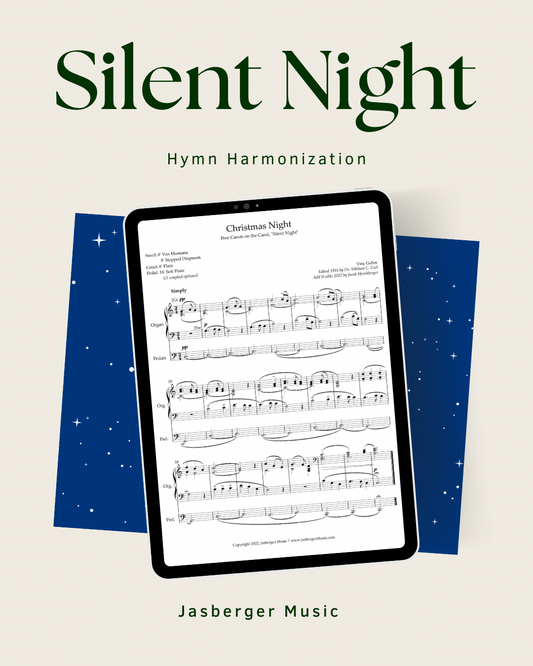
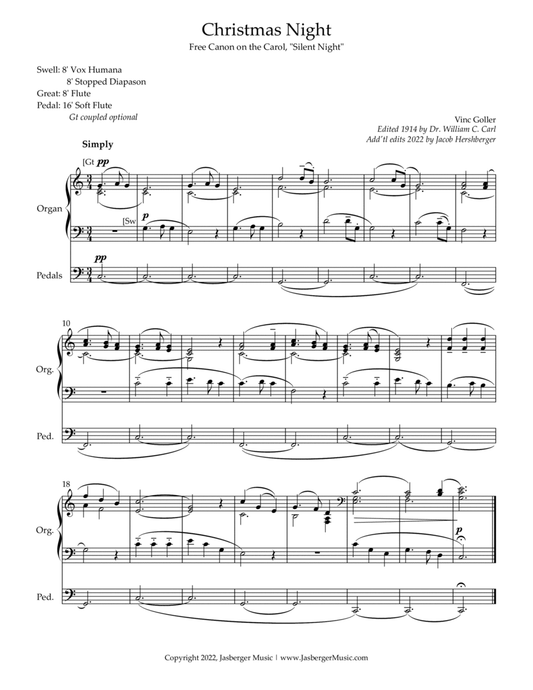
Silent Night Free Canon - Organ Sheet Music
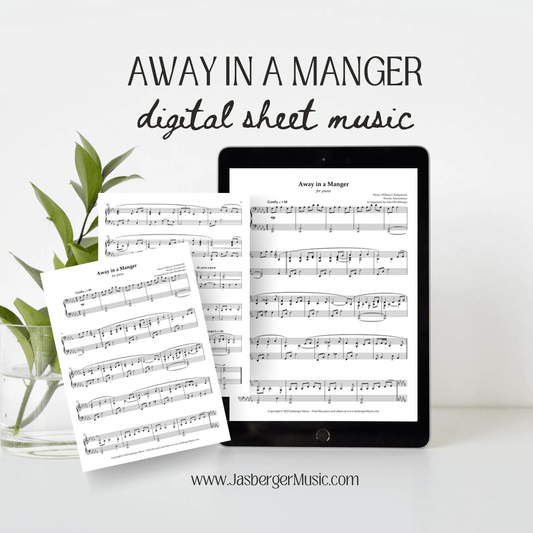
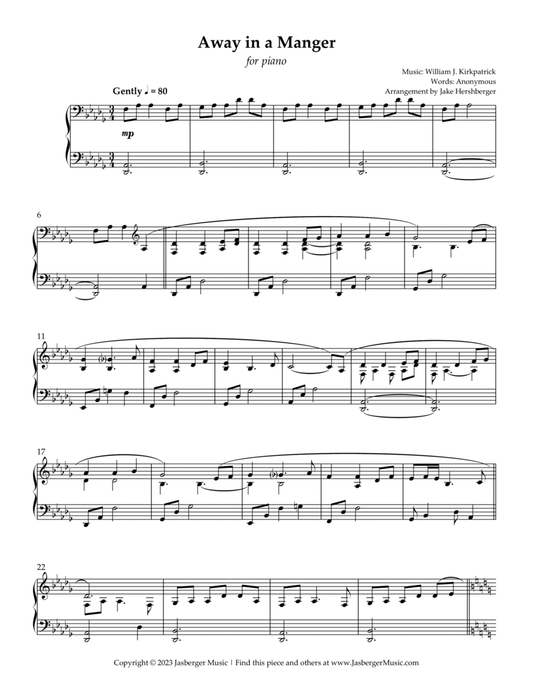
Away in a Manger Intermediate Piano Solo
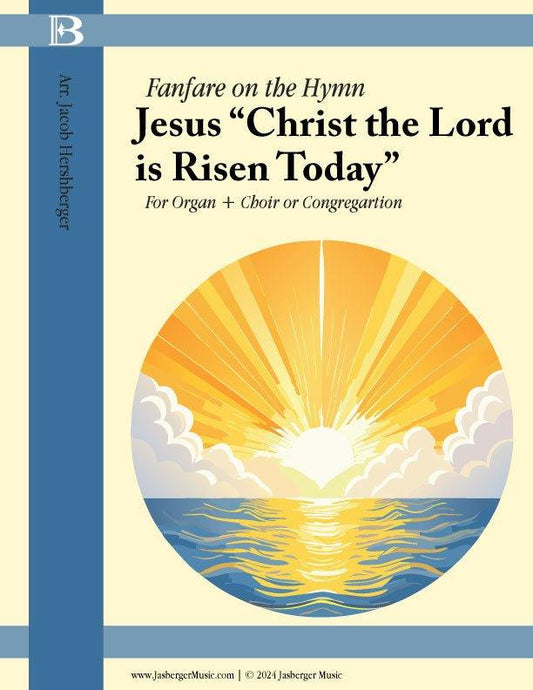
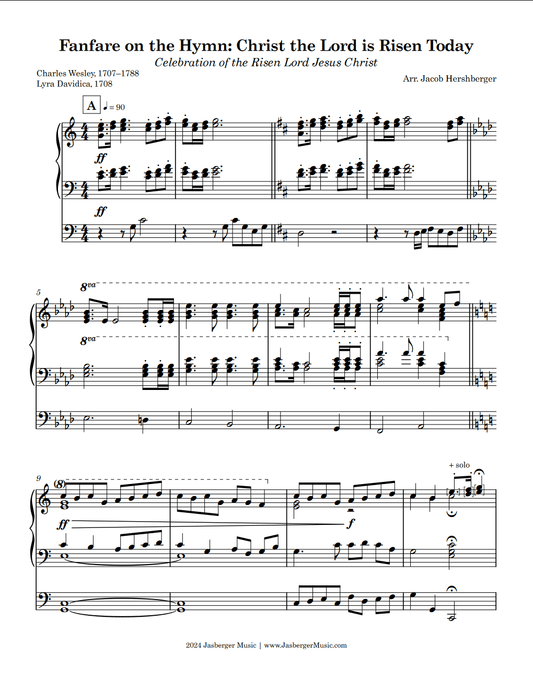
Christ the Lord is Risen Today – Easter Organ Fanfare
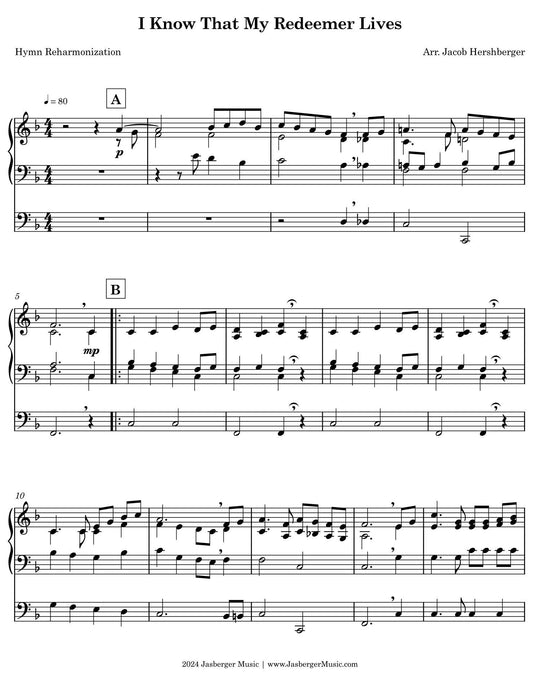

I Know That My Redeemer Lives – Organ Reharmonization
View Comments
Leave a Comment
No comments

Jesus, the Very Thought of Thee: The Story Behind the Hymn

How to Plan Prelude Music for Sacrament Meeting




comments