

Which Stops Help the Congregation Sing? An Organ Registration Guide
The first Sunday I slid onto the organ bench to play for sacrament meeting, I sat staring at two neat rows of little labeled knobs and felt my confidence quietly leave the room. I had played the piano my whole life, but the organ was asking me a question the piano never had — not just which notes, but which sounds.
If you've been called as a ward organist and you came to it from the piano, you know that feeling. The good news is that registration — the art of choosing which stops to pull — is far less mysterious than those rows of knobs make it look. Once you understand what the stops are actually for, you stop guessing and start leading.
Start With the Principal Chorus
Every stop on the organ belongs to a family, and for congregational singing the family that matters most is the principals (sometimes labeled Diapason). This is the sound most people picture when they think “pipe organ” — round, firm, and steady. It was built to fill a room and hold a crowd together, which is exactly what a hymn needs.
For an ordinary hymn, start simple: pull an 8′ Principal on the Great, then add a 4′ Octave above it. The 8′ gives you the body of the sound at the pitch you're playing; the 4′ adds a bright octave on top that helps the congregation hear the melody and, just as importantly, find the pitch. That two-stop combination will carry most of what you play on a Sunday. When a bigger hymn calls for more strength, don't reach randomly — add more foundation at 8′ first, then a 2′ for brilliance. Organists call this stacking-by-pitch the principal chorus, and it's the backbone of hymn playing.
What I'd gently steer you away from at the start is leading a hymn on flutes and strings alone. They're lovely stops — we'll use them in a moment — but they're soft-spoken by design. Ask them to lead a hundred and fifty people and the singing tends to sag.
Let the Hymn Decide the Volume
One of the quiet arts of ward organ playing is not playing everything at full organ for the whole meeting. The registration should follow the text. A reflective sacrament hymn like “Reverently and Meekly Now” wants warmth and restraint — 8′ foundations, perhaps a soft 4′ flute, nothing that calls attention to itself. A closing hymn like “The Spirit of God” wants the opposite: build through the verses so that by the final “We'll sing and we'll shout,” you've added your 2′, your mixture, maybe a reed, and the whole room lifts.
That shape — starting grounded and growing toward the moment the text asks for — is what turns accompaniment into worship. You don't need a large instrument to do it. Even a modest meetinghouse organ usually has enough stops to say something quiet and something glorious, and the expression pedal under your right foot will carry you the rest of the way.
Play the Prelude Like a Welcome
Before the meeting begins, your prelude is doing pastoral work whether you think about it or not. People walk in carrying the week — tired, distracted, sometimes hurting — and the first thing that greets them is the sound of the organ. I like to register prelude music softly and warmly: an 8′ flute, maybe a gentle string for color, nothing bright enough to compete with the reverent hum of families finding their seats.
The goal isn't to be noticed. It's to be present — to lay a floor of peace under the room so that by the time the bishop stands, hearts are already turned in the right direction. Choose music you can play cleanly and prayerfully, and let those soft stops do the quiet ministry they were built for.
Registration really comes down to this: learning what each sound is for, then choosing the one that serves the hymn and the congregation in front of you. Give it a few months on the bench and those two rows of knobs stop looking like a cockpit and start feeling like a palette.
If you're building your prelude folder or looking for hymn arrangements written with the meetinghouse organ in mind, browse the sacred organ arrangements in the Jasberger Music catalog at jasbergermusic.com — they're arranged by a working church musician, for the way we actually play on Sunday.


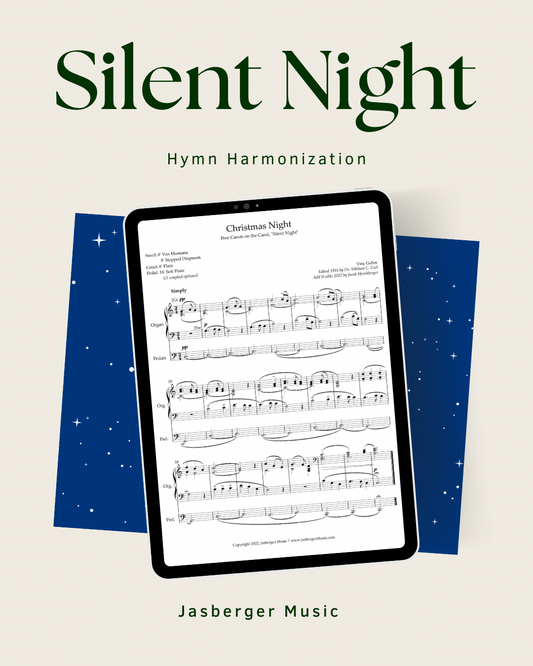
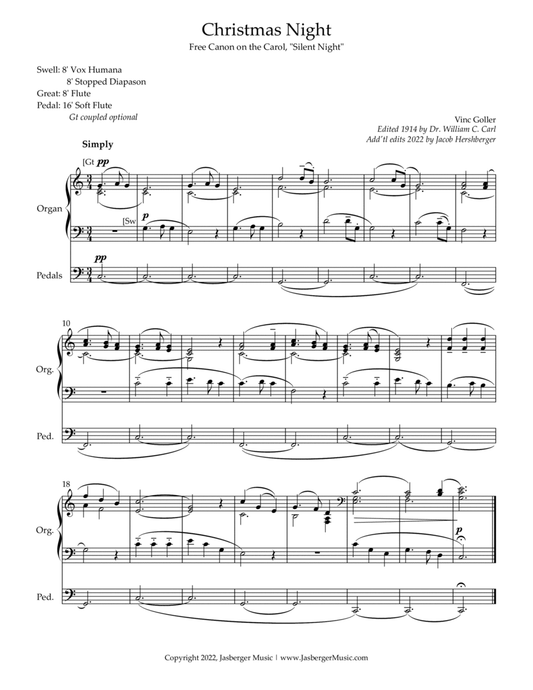
Silent Night Free Canon - Organ Sheet Music
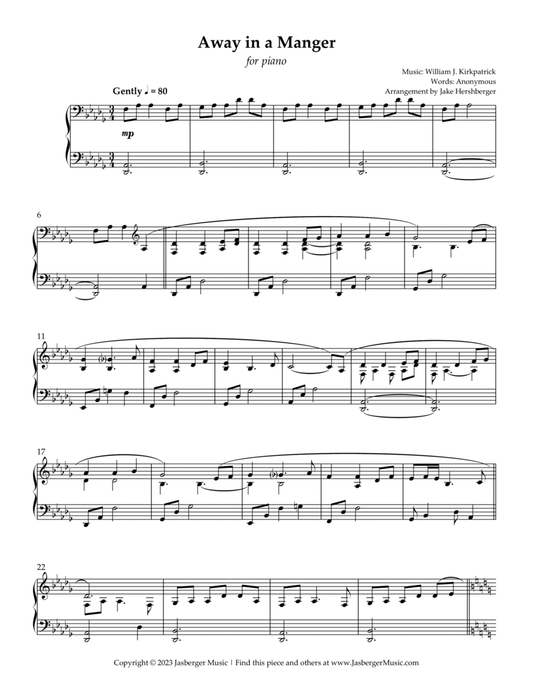
Away in a Manger Intermediate Piano Solo
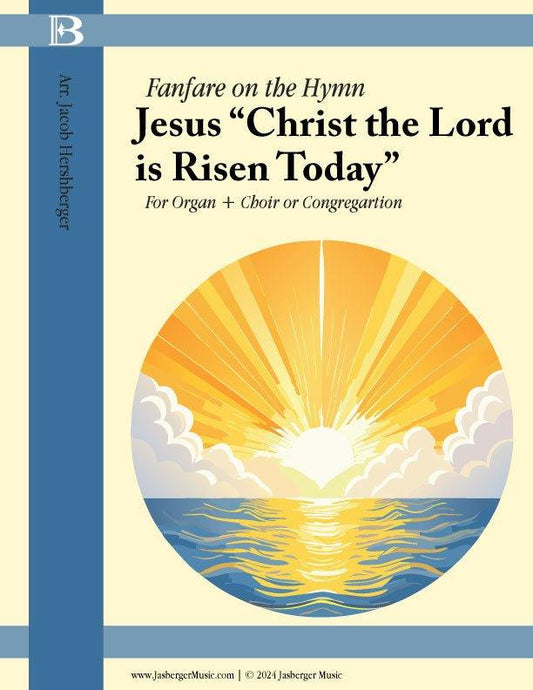
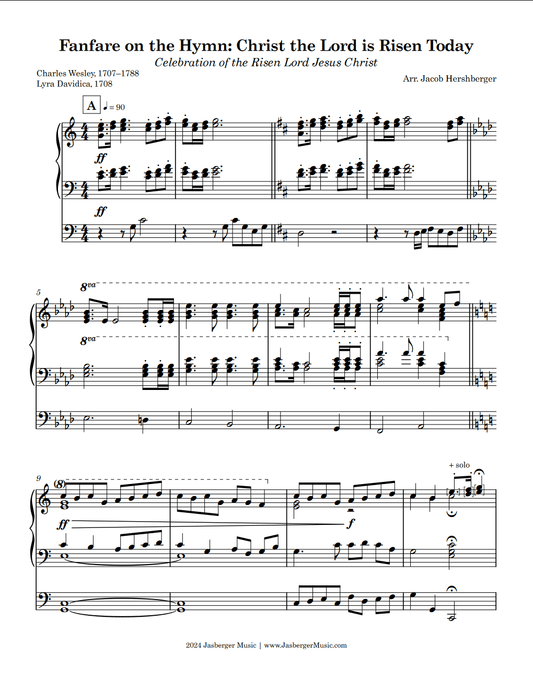
Christ the Lord is Risen Today – Easter Organ Fanfare
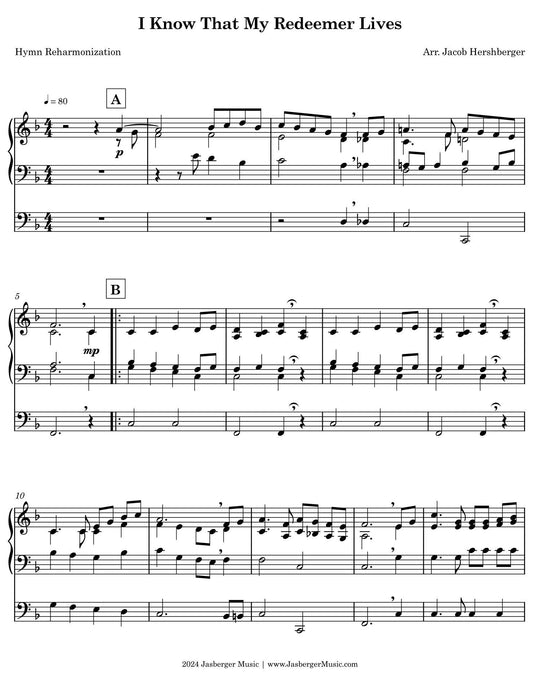

I Know That My Redeemer Lives – Organ Reharmonization
View Comments
Leave a Comment
No comments

Jesus, the Very Thought of Thee: The Story Behind the Hymn

How to Plan Prelude Music for Sacrament Meeting



comments