

Silent Night Free Canon: An Easy Christmas Organ Prelude
The most beloved Christmas carol in the world was first sung without an organ, and I find that oddly comforting every November when I open my Christmas folder at the console. On Christmas Eve of 1818, "Silent Night" needed only two voices, a choir, and a guitar to reach the people in the room.
That simplicity is what I wanted to protect in my Silent Night Free Canon for organ. It is an easy arrangement, and it asks the carol to do very little except overlap with itself. If you are a ward organist looking for one peaceful Christmas prelude you can have ready by December, this is the piece I would hand you.
How Silent Night Began Without an Organ
Joseph Mohr, a young assistant priest in Austria, wrote the words in 1816. Two years later he was serving in Oberndorf, and on December 24, 1818, he brought the poem to Franz Xaver Gruber and asked for a setting for two solo voices, choir, and guitar. By Gruber's own later account, he wrote the music that same day, and it was sung that night at St. Nicholas Church.
You may have heard that the organ broke down that week, sometimes with mice in the story. The documentation doesn't support that version of events. What the sources do suggest is less dramatic and, to an organist, more familiar: the instrument had been in poor condition for some time, and it was replaced in 1825. Anyone who has nursed a cranky meetinghouse organ through a Sunday can sympathize.
Latter-day Saints know the carol as hymn 204 in our hymnbook, where it is marked with a single word: "Peacefully." I can't think of a better marking for this music, and I kept that word in mind for every measure of this arrangement.
What a Free Canon Sounds Like on the Organ
A quick note on the title, because it confuses people: free canon describes the musical form, not the price. A canon is the same idea as a round. One voice begins a melody, and another follows with that melody a little later, the way children sing "Row, Row, Row Your Boat." A strict canon copies the first voice exactly. A free canon imitates more loosely, which leaves room to keep the harmony gentle and the phrases singable.
In this setting, the melody of "Silent Night" passes between registers with a soft delay, so one line seems to answer the other. The result is an overlapping texture that sounds different from the hymnbook harmonization while staying plainly recognizable. People in the pews will know the carol within a few notes, and then they will notice that something tender is happening underneath it.
That echo suits the organ well. A piano note begins to fade the moment it sounds, but an organ tone holds steady, so an imitating line can lean against the note before it for as long as you sustain it. Those small overlaps give this piece its warmth.
Playing Silent Night as a Christmas Prelude
Keep your registration small. I would start with a soft 8' flute and add a quiet string if your organ has a pleasant one, leaving out the reeds, mixtures, and anything bright. In a canon, every line needs to be heard, and thick sound will blur the very entrances that make the piece worth playing. Record it on your phone from a pew if you can, or ask a family member to listen from the back of the chapel, because what sounds clear at the bench can sound muddy in the pews.
Resist the urge to rush. The gentle pace of this carol is half of its power, and overlapping lines need time to speak. When you learn it, practice each entrance slowly and listen for the moment one voice hands off to the next. I would pencil a small reminder at any spot where your hands need to shift, and my guide on how to mark your sheet music before Sunday walks through the kinds of marks that help most.
As for where it belongs, I like this piece near the end of the prelude, once the chapel has begun to settle. If you plan your music as a slow arc toward quiet, the way I describe in how to plan prelude music for sacrament meeting, this canon makes a natural final selection on the Sundays leading up to Christmas. It would also serve well at a ward Christmas program or a quiet family evening at home.
Starting now gives you an unhurried few weeks, and that feels right for this carol. Mohr and Gruber offered what they had that night, a guitar and willing voices, and more than two centuries later we are still singing it. Our offerings at the console can be just as humble. "Silent Night" has always had room for them.
You can find the Silent Night Free Canon organ sheet music as an instant PDF download, and if you are filling out your December folder, my full collection of Christmas sheet music for organ and piano is a good place to look next.

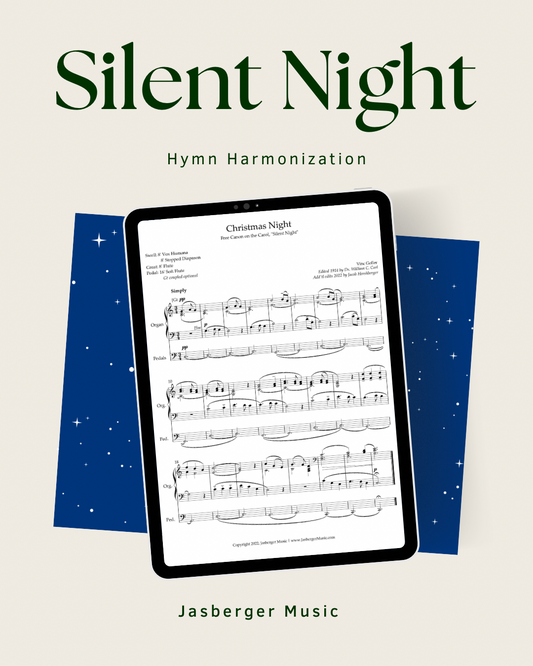
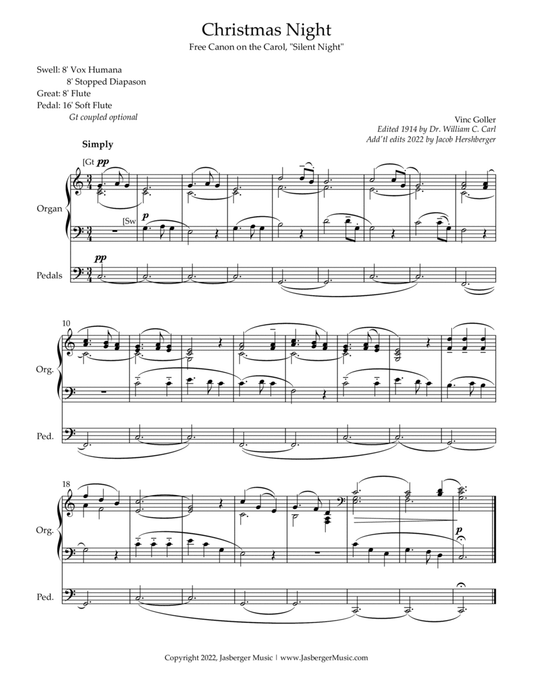
Silent Night Free Canon - Organ Sheet Music
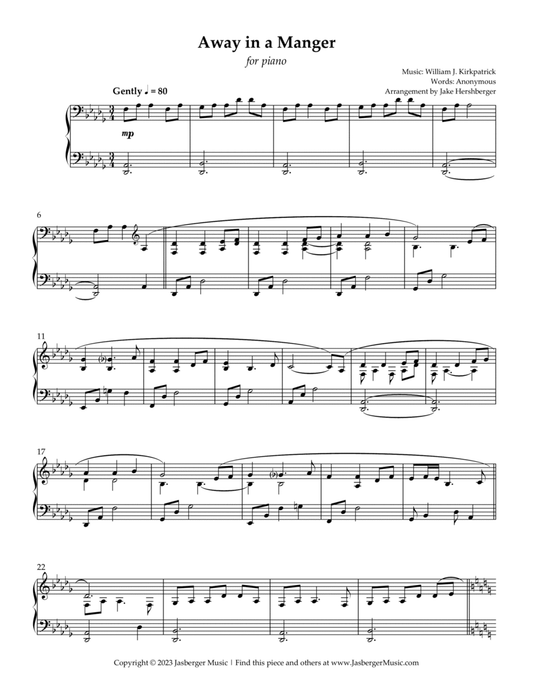
Away in a Manger Intermediate Piano Solo
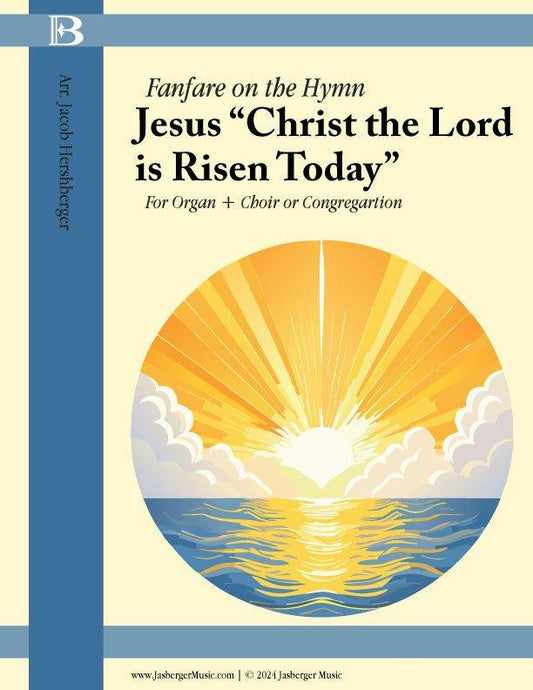
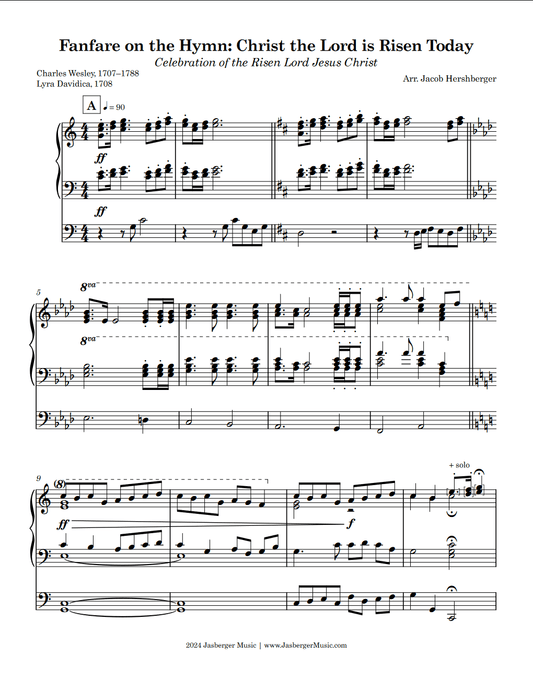
Christ the Lord is Risen Today – Easter Organ Fanfare
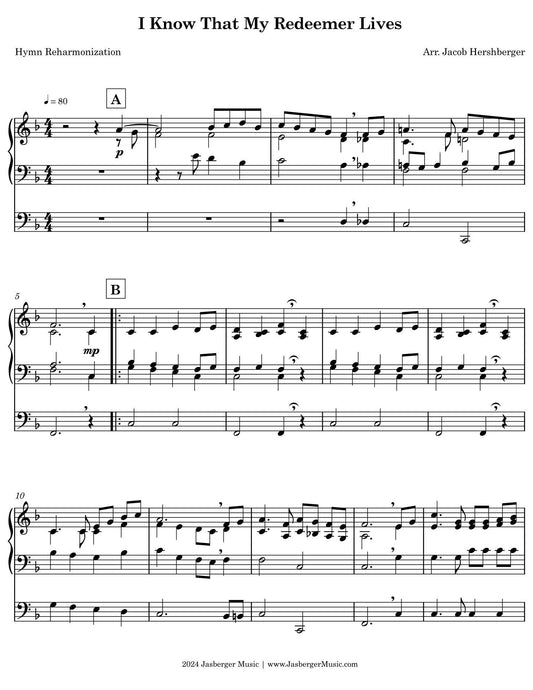

I Know That My Redeemer Lives – Organ Reharmonization
View Comments
Leave a Comment
No comments

Now Let Us Rejoice: The Story Behind the Hymn

Organ Legato for Hymns: Finger Substitution and Ties



comments