

How to Mark Your Sheet Music Before Sunday
The most useful tool in my organ bag is not a pair of organ shoes or a binder of preludes. It is a soft pencil. Nearly every Sunday mistake I have made at the console could have been prevented by a mark I knew I should write down on Thursday and trusted myself to remember instead.
When I was first called as a ward organist, I treated my sheet music like something precious to be kept clean. I have since learned that the clean copy is the one that betrays you. A well-marked score is a conversation with your future self, the person who will be sitting on the bench with the bishopric behind you, a congregation in front of you, and no time to think. Here is how I mark my music during the week so that Sunday feels calm.
Start With a Pencil and a Plan
I use a soft pencil, something like a 2B, because it shows up clearly under dim chapel lighting and erases cleanly when I change my mind. Ink is fine on a working photocopy, but on music you plan to keep using, stick with pencil. Arrangements evolve, and the fingering that worked in October may not be the one you want next Easter.
Before I write anything, I play the piece through once slowly and simply notice where I stumble. Those stumbles become my marking list. I do not mark the measures I already play well. A page covered in markings is almost as hard to read as a page with none, so I save my pencil for the places that actually need help. If you are working up something new this week, the practice plan in my guide to learning a new piece before Sunday pairs well with this step, because the trouble spots you find in slow practice are exactly the ones worth marking.
What to Mark: Fingering, Pedaling, and Registration
Fingering comes first. I write small numbers above or below the note, one through five, only where a change of hand position happens or where my hand wants to do something clumsy. On the organ, where we hold notes longer and connect lines more carefully than on the piano, a single finger substitution marked in the right spot can save an entire phrase.
Pedaling is next. The common convention is a small caret for the toe and a little U for the heel, written above the staff for the right foot and below it for the left. You do not need to pedal-mark every note. I mark the first note after a leap, any spot where my feet cross, and anywhere my instinct has put the wrong foot down more than once.
Then registration. At the top of the piece I jot the stops I plan to use, and I mark every change exactly where it happens, with a short note like add 4' flute or reduce to Swell. If the change needs a free hand, I mark a measure or two early so I can see it coming. I wrote more about choosing stops in this organ registration guide for congregational singing, and the same principle applies to marking: the stops you choose only help if you remember to pull them at the right moment.
Marking Breaths, Page Turns, and the Unexpected
The marks that save me most often have nothing to do with notes. When I accompany a hymn, I lightly mark the places where the congregation will breathe, usually at the ends of textual phrases, so that I lift with them instead of plowing through. A tiny comma above the staff is enough. Our members sing better when the organ breathes like a singer.
Page turns deserve a plan too. I write a small arrow at the bottom of the page and decide in advance which hand will turn and on which beat. Sometimes the answer is to photocopy a page for personal use so the turn disappears entirely, if the license for that music allows it. Either way, I would rather solve a page turn on Thursday than discover it mid-verse on Sunday.
Finally, I leave myself notes about the meeting itself. Things like watch the chorister here, slight ritard on the last verse, or watch for the bishop's nod are not musical markings in the traditional sense, but they are the ones that make worship flow. Sacrament meeting has a rhythm of its own, and a few words in the margin help me serve it rather than interrupt it.
There is something quietly devotional about this kind of preparation. Every pencil mark is a small promise that when the Saints gather to sing, I will be ready to help them do it well. It is a way of consecrating the ordinary work of practice.
If you are looking for something new to mark up this week, browse my organ sheet music for worship and prelude. Each arrangement is written with real Sunday use in mind, and every one of them has room in the margins for your pencil.


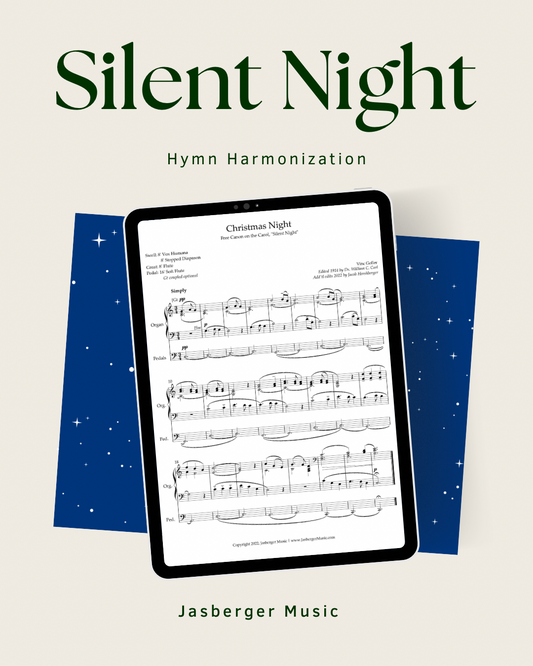
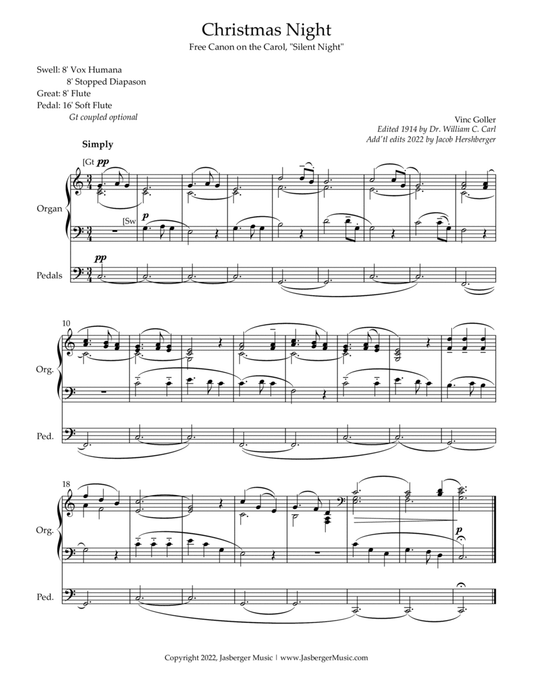
Silent Night Free Canon - Organ Sheet Music
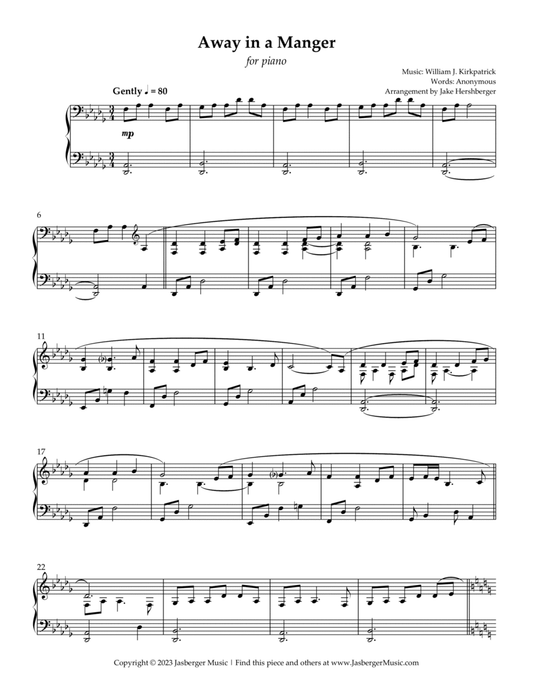
Away in a Manger Intermediate Piano Solo
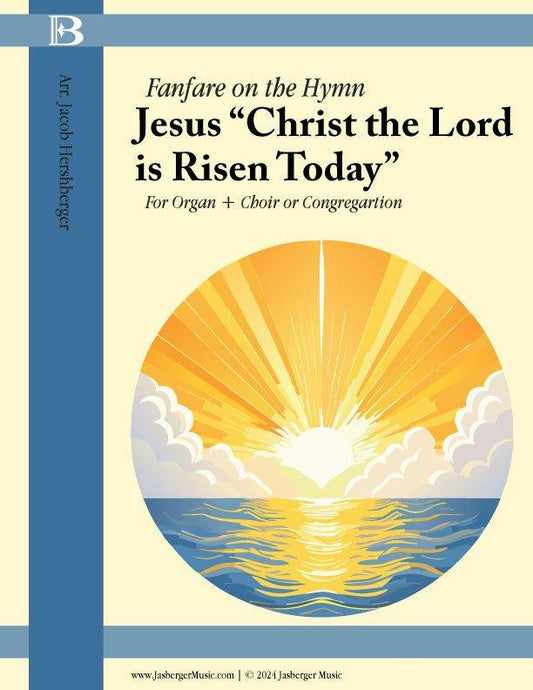
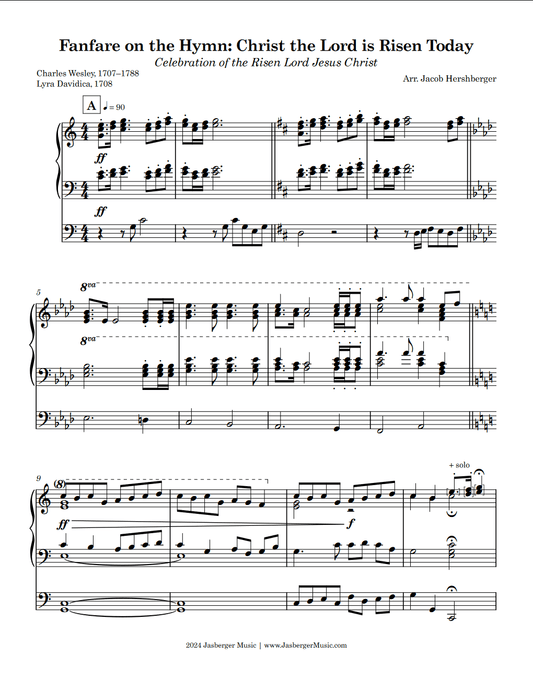
Christ the Lord is Risen Today – Easter Organ Fanfare
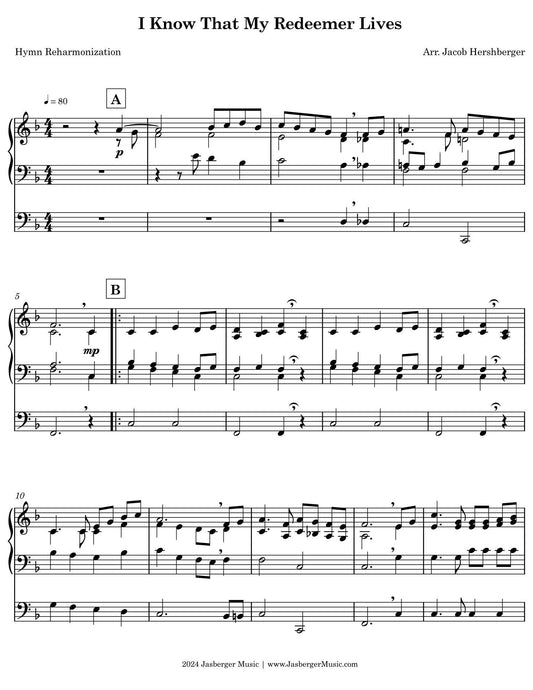

I Know That My Redeemer Lives – Organ Reharmonization
View Comments
Leave a Comment
No comments

Organ Legato for Hymns: Finger Substitution and Ties

How Great the Wisdom and the Love: An Organ Prelude



comments