

How to Play a Hymn Introduction on the Organ
The congregation decides how they'll sing a hymn before anyone opens their mouth, and that decision belongs to the organist. Before the first word is sung, your introduction has already told the whole chapel how fast to go, how loud to sing, and whether this hymn is a quiet prayer or a shout of praise.
I didn't understand that when I started as a ward organist. I treated the introduction as a warm-up, something to get through before the real music began. It took a few Sundays of watching a congregation stumble into the first verse, half of them a beat behind and the other half guessing at the pitch, before I realized the introduction is the real music. It's the one moment in sacrament meeting when the organ speaks completely alone, and everyone is listening for instructions.
Start With the Brackets in Your Hymnbook
If you play from the green hymnbook, look for the small brackets printed on the music. They mark a suggested introduction: a phrase or two of the hymn that ends cleanly, so the congregation knows exactly when to come in. The notes in the front of the hymnbook give you permission to adapt them. You may shorten or lengthen the suggested introduction to suit the hymn and the moment.
Here is how I decide. For a hymn every member could sing in their sleep, the last line is plenty. Nobody needs a full verse of "Joy to the World" to remember how it goes. For a hymn the ward rarely sings, I play it all the way through. That gives people a full hearing of the tune before they have to commit, and it's especially kind to visitors and new members who may be meeting the hymn for the first time. Somewhere in between, the bracketed phrases are usually exactly right.
Whatever you choose, mark it in pencil before Sunday. A small bracket and a breath mark in your copy save you from deciding at the bench with the bishopric watching. If you haven't built that habit yet, my post on how to mark your sheet music before Sunday walks through the markings I use every week.
Sheet music for this post
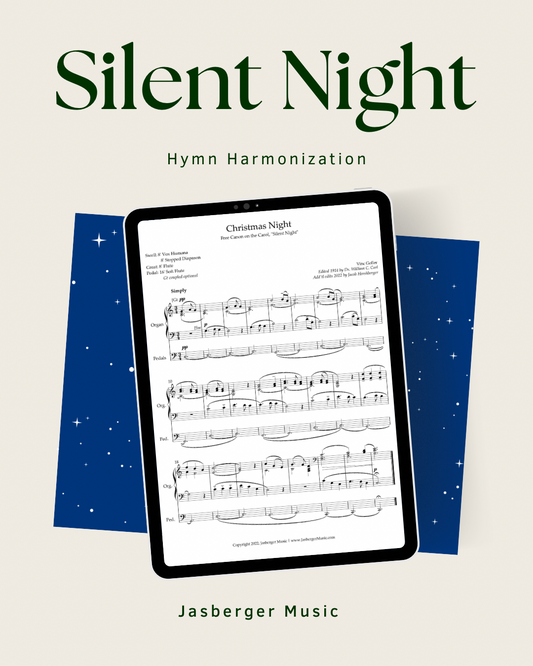
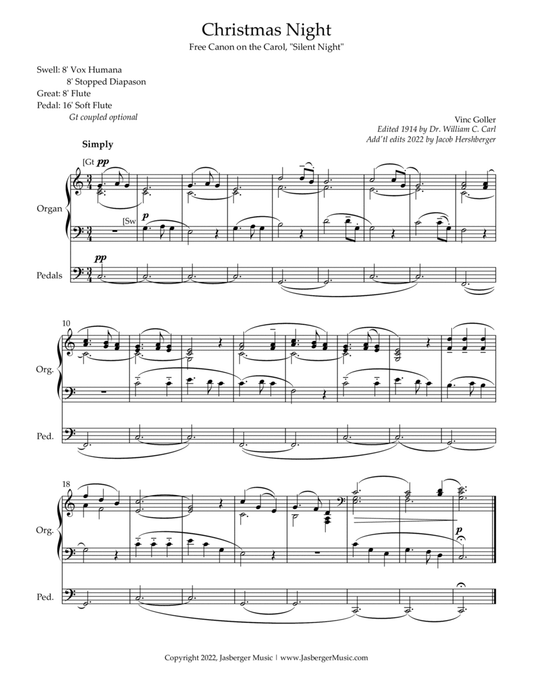
 Silent Night Free Canon - Organ Sheet MusicInstant PDF download · $1.00Get the music
 Jesus, the Very Thought of Thee – Easy Organ SoloInstant PDF download · $1.29Get the music
 Come Thou Fount of Every Blessing – Easy Organ SoloInstant PDF download · $3.95Get the music
Set the Tempo and Volume Before Anyone Sings
The most important job of the introduction is tempo. Play it at the speed you want the congregation to sing, not a little slower to be safe and not a little faster because you're nervous. Each hymn in the book carries a suggested tempo range; pick your spot within it, then play the introduction as if the congregation were already singing along. If you rush the introduction and then settle into a different tempo at the first verse, you've taught them two speeds.
A short introduction can relax slightly in its last measure to signal that it's ending. Keep that ritard gentle. A broad slowdown followed by a brisk first verse leaves everyone lurching to catch up. After the final chord, release cleanly and give one clear breath in tempo before the singing begins. That breath is the cue. When it's steady, people come in together without anyone needing to wave them in.
Registration matters just as much. The introduction should sound like the hymn it announces. I usually play it on the same registration I'll use for the first verse, so the congregation hears the volume they're meant to match. A reverent sacrament hymn gets a gentle principal chorus; a Christmas hymn of praise gets something brighter with a solid pedal underneath. If your introduction is timid, the singing will be timid too.
Your chorister is part of this. Talk before the meeting about which phrase you'll play and where you'll breathe, so the beat pattern and the organ agree from the first downbeat. I wrote more about that partnership in working with your ward chorister.
Christmas Hymn Introductions That Invite Everyone In
December is when introductions matter most. Attendance swells, families bring visiting relatives, and the hymns are ones everyone loves but sings only a few weeks a year. That combination calls for confidence. For "O Come, All Ye Faithful," I often play the refrain as the introduction, because that's the part people remember and it sets up the rhythm of the verse. For "Silent Night," I keep the registration soft and the tempo unhurried, since a quiet introduction tells a full chapel to sing quietly too.
If you have a little more preparation time, the Christmas season is a lovely chance to go beyond the bracketed phrases. A hymn-based prelude before the meeting puts the tune in everyone's ear before you ever reach the opening hymn. A simple canon on "Silent Night," for example, gives the ward a quiet first hearing of the melody while people find their seats, and it makes the later introduction feel like an old friend.
The introduction is small, but it's an act of service. When it's done well, nobody notices it at all. They simply open their books and sing together. That's the goal: to help the Saints worship without stumbling, and to let the hymn carry its message to every heart in the room.
If you'd like hymn-based pieces to practice this season, browse my organ sheet music for sacrament meeting and Christmas. Every arrangement is written with the working ward organist in mind.

Silent Night Free Canon - Organ Sheet Music
Away in a Manger Intermediate Piano Solo
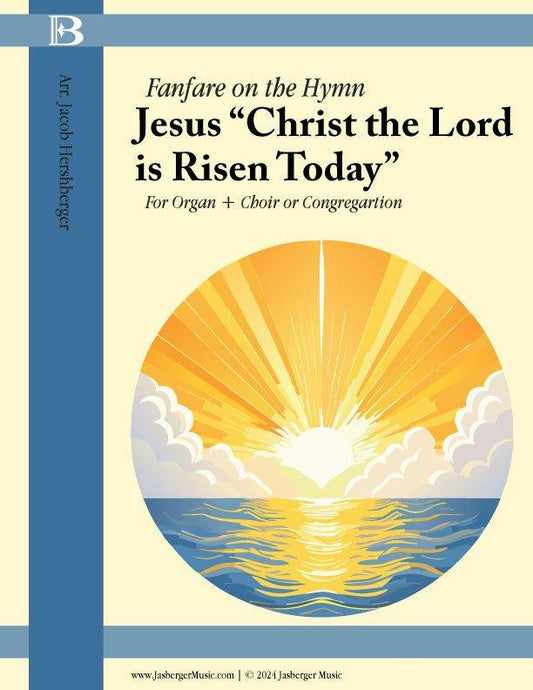
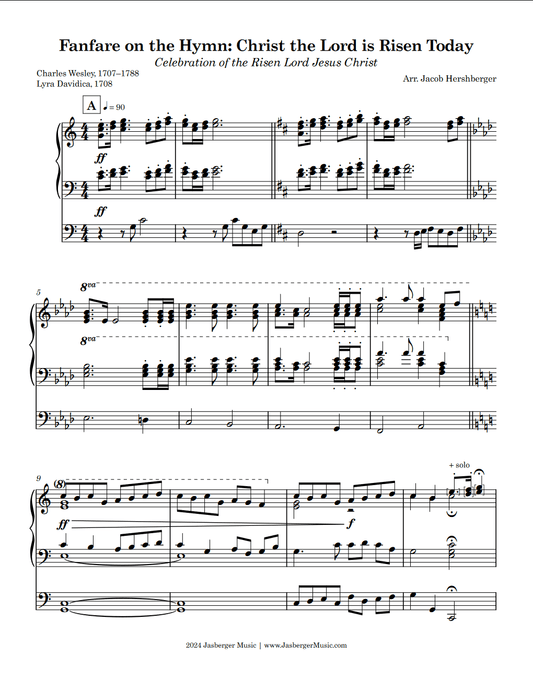
Christ the Lord is Risen Today – Easter Organ Fanfare
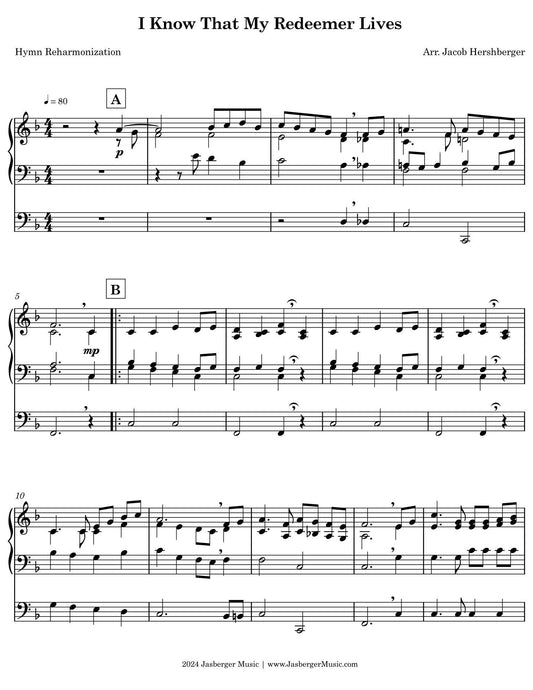

I Know That My Redeemer Lives – Organ Reharmonization
View Comments
Leave a Comment
No comments

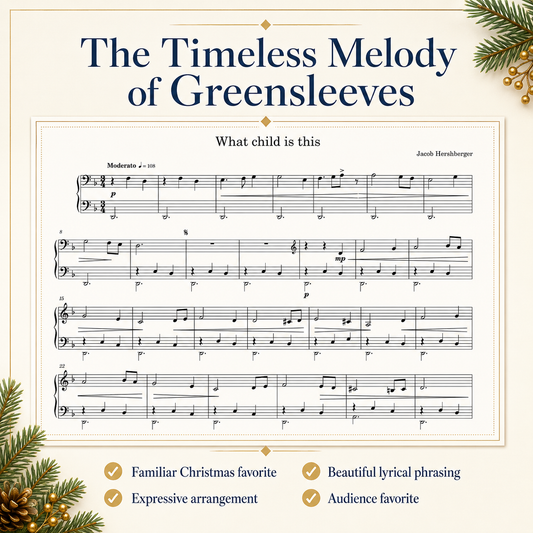
What Child Is This: A Christmas Piano Solo Arrangement

Learn a Christmas Organ Prelude in Four Weeks



comments