

Working With Your Ward Chorister: An Organist's Guide
The best hymn I ever played in sacrament meeting was not the one I practiced hardest. It was the one where the chorister and I had spent two minutes talking before the meeting, and the whole congregation could feel that we were breathing together.
Most of what goes wrong with ward singing happens in the space between the organ bench and the music stand. The organist hears one tempo in their head, the chorister beats another, and the people in the pews quietly pick a third. Usually nobody is doing anything wrong. Two faithful people just never quite compared notes. Here is how I try to close that gap, week after week.
Talk Before Sacrament Meeting Starts
I try to catch the chorister during prelude, or even better, a few days before. The conversation is short, but it covers the things that cause trouble: which verses we are singing, whether the last verse gets any kind of change, and how we will handle the amen. If the bishopric has asked for all six verses of a long hymn, I want to know that before I am counting stanzas on the fly.
Tempo deserves its own minute. Our hymnbook gives a suggested metronome range for each hymn, and that range is a gift to both of us. I like to agree on a number inside it, then play the first line quietly on a soft stop so we can both hear it. It takes fifteen seconds, and it saves us from a tug-of-war on the first verse.
I also ask what the chorister is planning for fermatas and the pause between verses. Some music leaders like a full breath, others like to keep moving. Neither is wrong. What matters is that I am not guessing while the congregation waits.
Sheet music for this post
 I Know That My Redeemer Lives – Organ ReharmonizationInstant PDF download · $3.95Get the music
 All Glory, Laud, and Honor – Organ & Choir ReharmonizationInstant PDF download · $3.95Get the music
 Christ the Lord is Risen Today – Easter Organ FanfareInstant PDF download · $3.95Get the music
Let the Introduction Set the Tempo for Everyone
The introduction is where the organist and the chorister first speak to the congregation together. I play it at the tempo we agreed on, and the chorister starts beating with me from the first chord, so the people see and hear the same pulse. If you want more on shaping an introduction, I wrote about how to play a hymn introduction the congregation can follow.
Once the singing starts, I keep one eye on the music and one on the chorister's hand. I have learned to look up at the ends of phrases rather than in the middle of them. That is where a music leader is most likely to stretch a cadence or signal a breath, and a quick glance there keeps us together without either of us feeling watched.
There are Sundays I disagree with the tempo. When that happens, I follow during the hymn and save my opinion for afterward. The congregation can sing with a tempo that is a little slow. What they cannot sing with is two leaders pulling in opposite directions.
Building Trust With Your Ward Music Leader
Many choristers in our wards were called with very little conducting experience. Some of them are nervous every single week. I try to remember that their calling is as real as mine, and that they are standing in front of everyone with nothing to hide behind but a hymnbook.
So I look for small ways to help. If a new chorister is unsure of a beat pattern, I might offer to sit with them for ten minutes after church and play through next week's hymns while they practice. If a hymn has a tricky pickup or an irregular meter, I mention it ahead of time instead of letting it surprise them. And when we get it right, I say so. A quiet "that felt really good today" is often what brings a nervous chorister back with confidence the next week.
The same goes the other way. A good chorister will tell me when the organ is covering the congregation or when my registration is too thin for a hymn of praise. I would much rather hear that from a friend on Sunday than wonder about it on Monday.
Substitutions happen too. When I am covering in another ward, or when a stand-in chorister shows up at the last minute, the same habits still work: a quick word before the meeting, an agreed tempo, and an introduction that makes the plan clear. If you are walking into a hymn you have not seen in a while, my notes on sight-reading a hymn on short notice can help you stay calm enough to keep watching the music stand.
The organ and the chorister share one job: inviting a congregation to lift their voices and worship. When we prepare together, that invitation comes through clearly, and the hymn becomes a prayer the whole ward can offer at once.
If you are looking for fresh music to play while the ward gathers, browse my organ sheet music for worship and prelude.

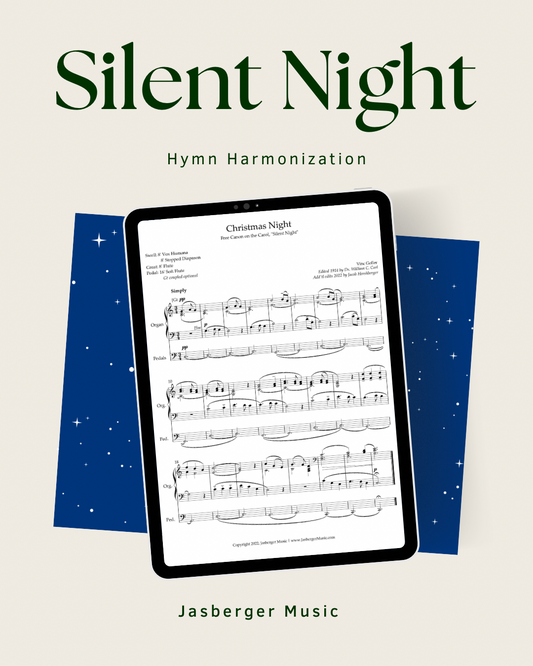
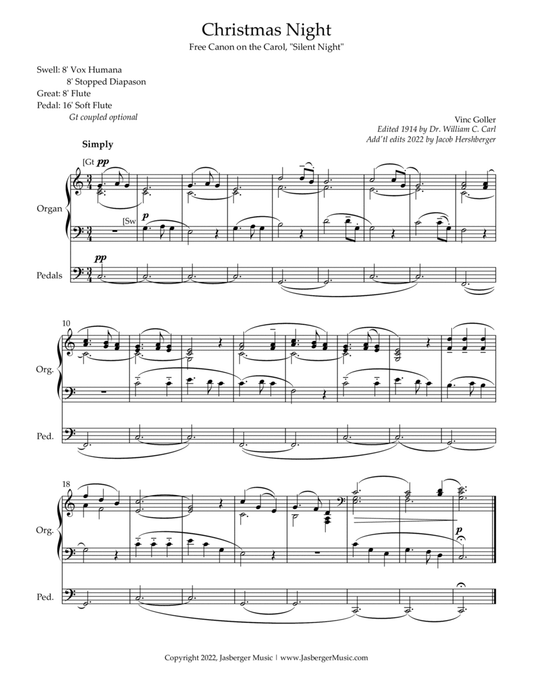
Silent Night Free Canon - Organ Sheet Music
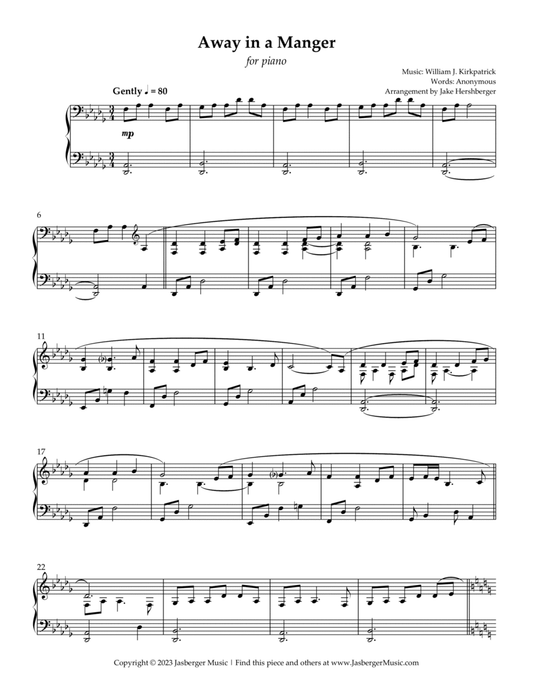
Away in a Manger Intermediate Piano Solo
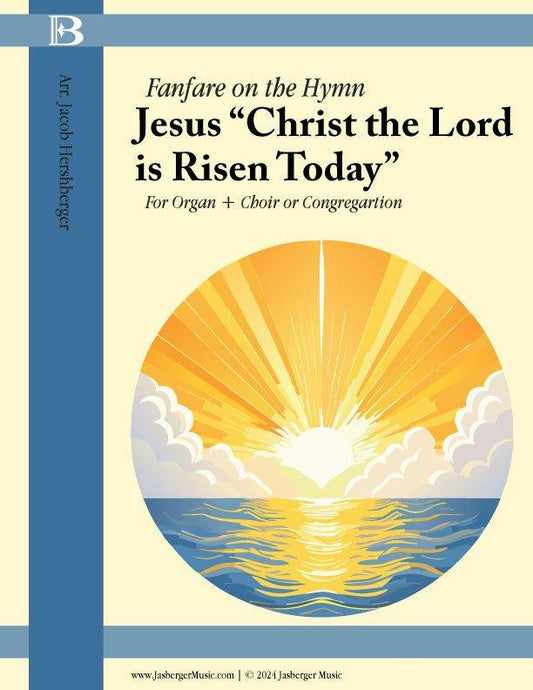
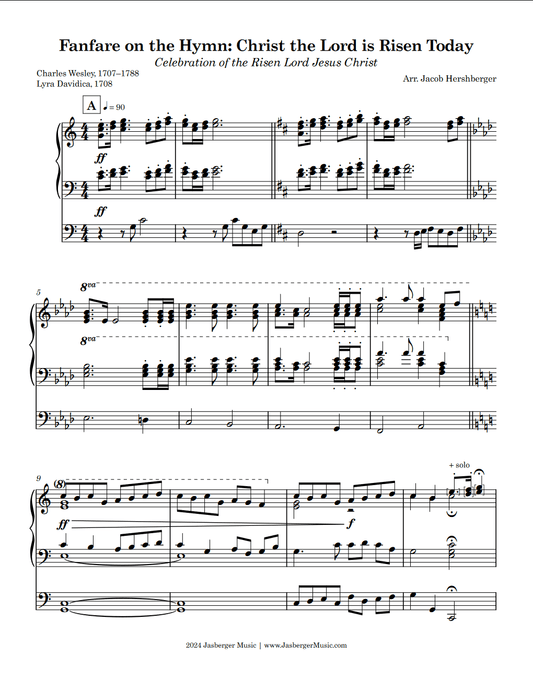
Christ the Lord is Risen Today – Easter Organ Fanfare
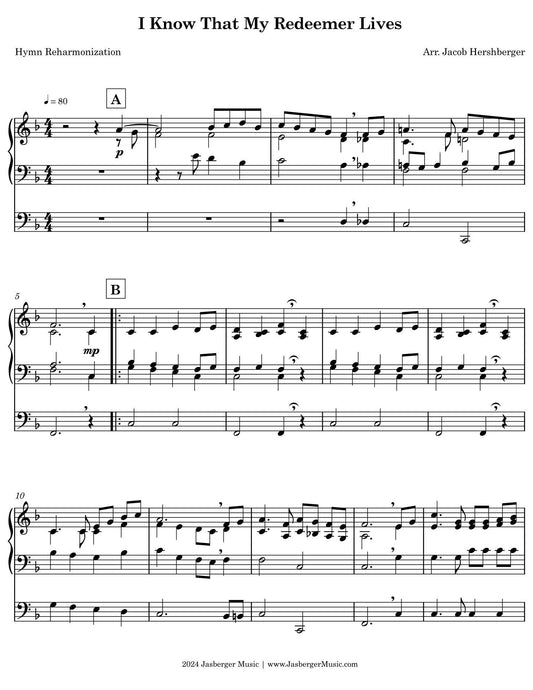

I Know That My Redeemer Lives – Organ Reharmonization
View Comments
Leave a Comment
No comments

How to Practice Hands and Pedals on the Organ

Silent Night Free Canon: An Easy Christmas Organ Prelude



comments