

I Need Thee Every Hour: A Piano and Organ Duet for Church
Some of the most moving musical numbers I have heard in sacrament meeting did not come from a soloist or a choir. They came from two people sitting at two instruments on opposite sides of the stand, listening to each other.
That is the idea behind my arrangement of I Need Thee Every Hour for piano and organ. Most wards have both instruments, and most wards have a pianist and an organist who rarely get to play together. This duet is my small attempt to change that, and to give one of the most tender hymns we sing a setting that feels like a conversation rather than a performance.
Why a Piano and Organ Duet Works So Well in Sacrament Meeting
The piano and the organ make sound in completely different ways. A piano note is struck and then fades, so it is wonderful at clarity, rhythm, and those little ripples of motion that keep a phrase alive. An organ note holds for exactly as long as you keep the key down, so it is wonderful at sustaining a line and filling a room with warmth. Put the two together and each one covers what the other cannot do alone.
In a lot of duet writing, one instrument plays the tune while the other simply accompanies. I wanted something more personal than that. In this arrangement the piano and organ share the melody, hand it back and forth, and answer each other's phrases before they build together. When it is played well, the congregation hears a single prayer passed between two voices.
It also fits the space we actually have on a Sunday. The arrangement is expressive without being oversized, so it suits a special musical number in sacrament meeting, a stake conference, a fireside, or a recital without drawing attention away from the message of the hymn.
Where I Need Thee Every Hour Came From
The text was written in 1872 by Annie Sherwood Hawks, a homemaker in Brooklyn, New York. She later said the words came to her one ordinary morning while she was busy with her daily work, and she was struck by how constantly she needed the Lord's nearness, not only in moments of crisis but in the plain hours of an ordinary day. Her pastor, Robert Lowry, set the poem to music and added the refrain, "I need thee, oh, I need thee; every hour I need thee."
Years later, after her husband died, Hawks wrote that she finally understood the comfort in her own words in a way she had not when she first wrote them. I think about that every time I play this hymn. It was written in a season of peace and turned out to be what carried her through a season of grief. Many of us in the pews have had the same experience with it.
Latter-day Saints have sung this hymn for generations, and it is one so many of us turn to in sacrament meeting, at funerals, and in quiet personal devotion. Its melody is simple and singable, which is exactly what makes it such good material for two instruments to explore together without losing the familiar tune.
How to Rehearse a Piano and Organ Duet
The biggest challenge with any piano and organ duet is not the notes. It is the geography. In many chapels the piano and organ sit on opposite sides of the stand, and the organ's sound may reach the organist a split second differently than the piano's does. Plan at least one rehearsal in the chapel itself, not just in a living room, so both players can learn how the room actually sounds.
Decide early who leads. Usually I let the pianist set the tempo at the start, since the piano's attack is easier to follow, and then the players trade leadership as the melody moves back and forth. A simple nod at the opening and at each new verse goes a long way.
Organists, keep your registration modest. The goal is to blend with the piano, not to bury it. A gentle 8' flute or a soft principal is usually plenty for the quieter verses, and you can add a bit more as the arrangement builds. If you want a refresher on choosing stops, my organ registration guide for congregational singing walks through how to pick stops that support rather than overwhelm.
Finally, give yourselves enough time. Two players means two schedules, so start a few weeks out. My practice plan for learning a new piece before Sunday works just as well for duet partners as it does for soloists.
If your ward has a pianist and an organist who would love an excuse to make music together, this is a beautiful place to start. You can find the I Need Thee Every Hour piano and organ duet sheet music as an instant PDF download, ready to print or open on a tablet. And if you are looking for more pieces for the bench, take a look through the full collection of organ sheet music for worship and recital.

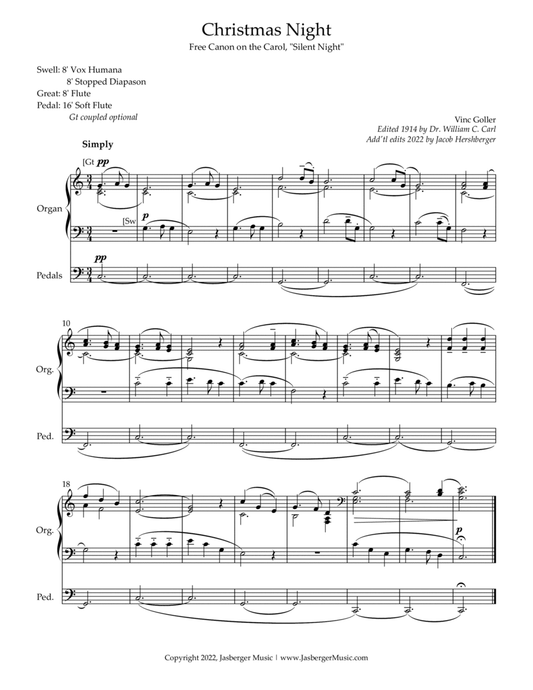
Silent Night Free Canon - Organ Sheet Music
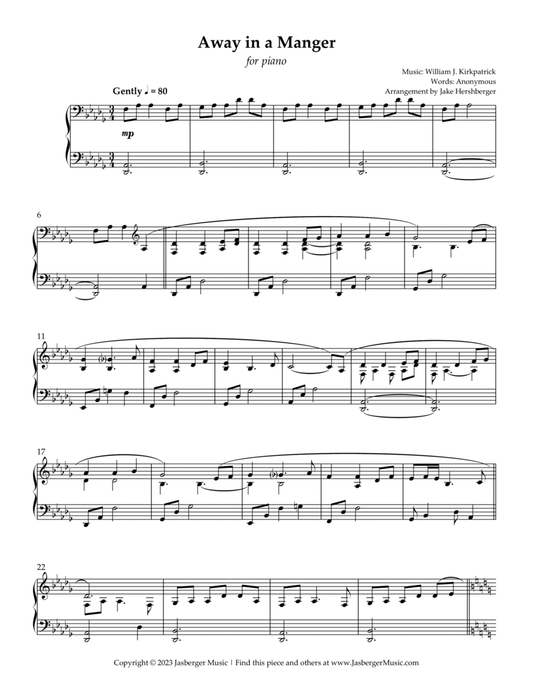
Away in a Manger Intermediate Piano Solo
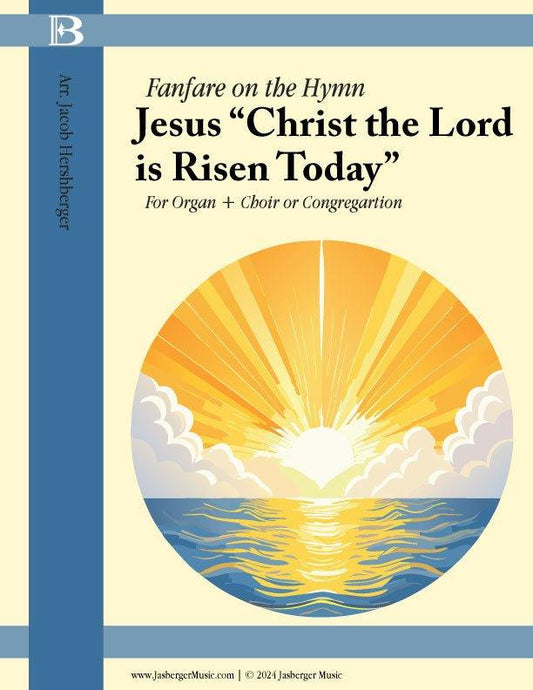
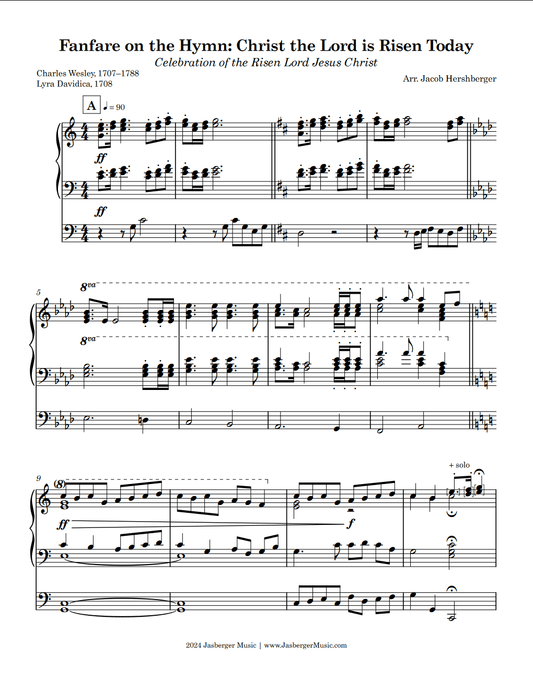
Christ the Lord is Risen Today – Easter Organ Fanfare
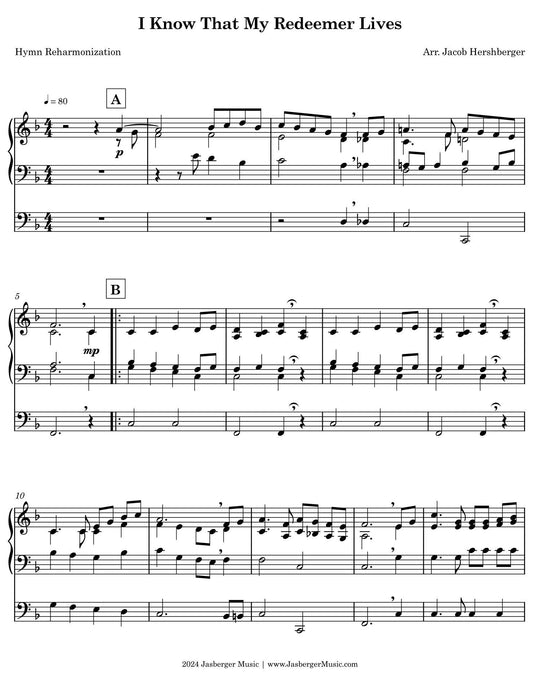

I Know That My Redeemer Lives – Organ Reharmonization
View Comments
Leave a Comment
No comments

The Story Behind “Come, Thou Fount of Every Blessing”

How to Play a Hymn Introduction the Congregation Can Follow


comments