
Discovering the Melodic Legacy of Famous Organ Composers
Organ music has been shaped by composers who understood both the instrument's power and its ability to sustain quiet, prayerful sound. Their work still influences church musicians, recitalists, and arrangers today.
Johann Sebastian Bach
Bach remains central to organ repertoire because he treated the instrument as both a worship instrument and a complete musical world. His chorale preludes, fugues, and toccatas show how counterpoint, harmony, and registration can create structure and emotion at the same time.
Cesar Franck
Franck helped define the Romantic organ sound: long melodic lines, rich harmony, and a symphonic sense of growth. His music is useful for organists learning how color and registration can shape a large musical arc.
Felix Mendelssohn
Mendelssohn's organ sonatas connect classical clarity with Romantic expression. They are valuable models for players who want music that is structured, expressive, and idiomatic to the instrument.
Modern sacred arrangers
Today's church organists often need music that fits real worship settings: preludes, postludes, hymn introductions, and service music that can be learned without months of preparation. That practical tradition is where hymn arrangements and reharmonizations matter.
For a modern sacred example, listen to how How Great the Wisdom and the Love uses restraint and harmonic color rather than sheer volume. You can also browse the broader organ sheet music collection for practical church repertoire.
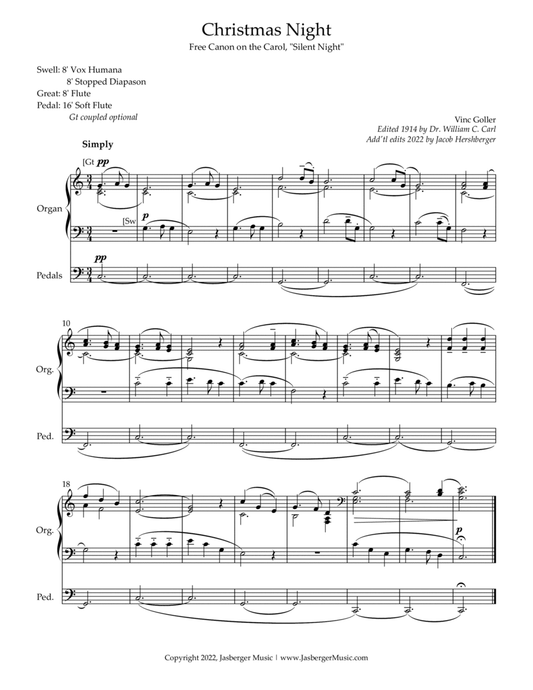
Silent Night Free Canon - Organ Sheet Music
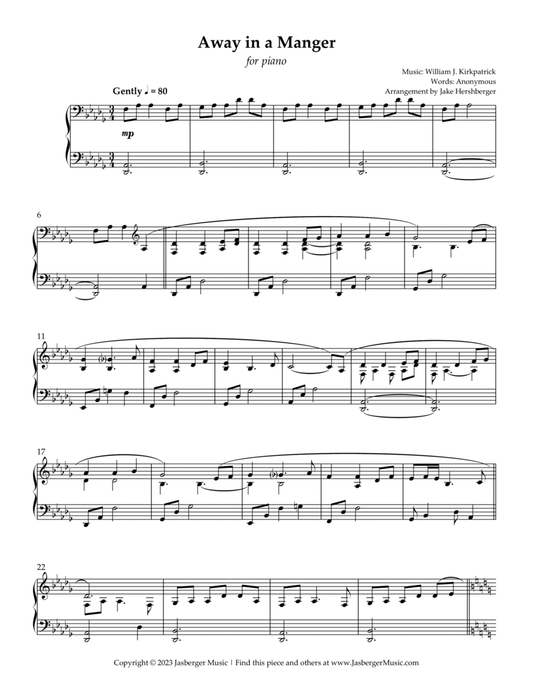
Away in a Manger Intermediate Piano Solo
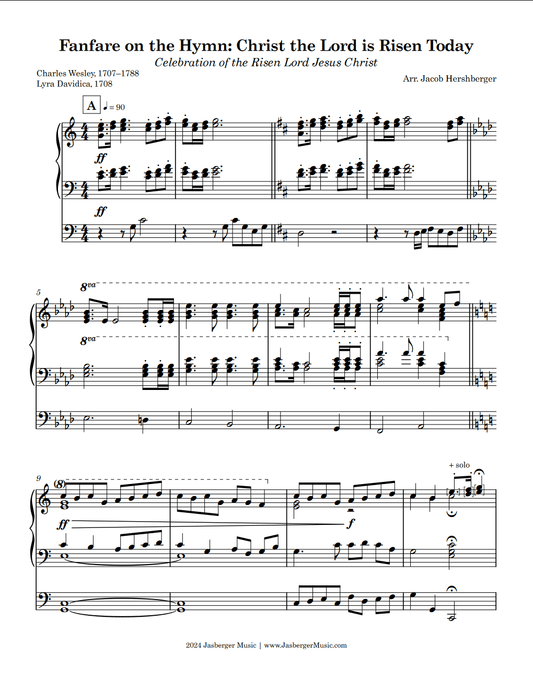
Christ the Lord is Risen Today – Easter Organ Fanfare
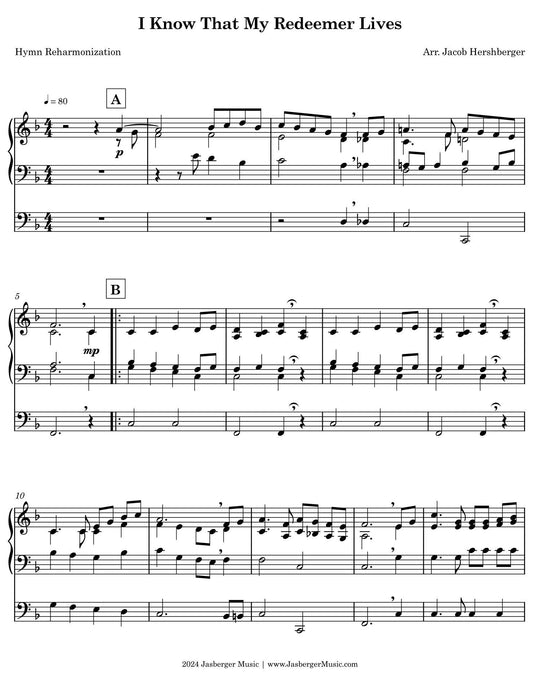

I Know That My Redeemer Lives – Organ Reharmonization
View Comments
Leave a Comment
No comments

The Story Behind “Come, Thou Fount of Every Blessing”

How to Play a Hymn Introduction the Congregation Can Follow


comments